The automotive industry is currently navigating its most profound shift since the invention of the assembly line. As we gaze toward the horizon of 2025 and beyond, the electric vehicle (EV) market is no longer a niche segment for early adopters; it has become the primary battleground for global innovation. We are witnessing a monumental transition where electrification is not just an alternative, but the standard for future mobility. Manufacturers are moving beyond simple battery-powered adaptations to create vehicles that are fundamentally designed from the ground up to maximize the potential of electric architecture. This era of transformation is characterized by a relentless pursuit of efficiency, sustainability, and unparalleled performance.
The rapid evolution of this sector is fueled by a competitive environment where legacy automakers and agile startups are locked in a race to define the future. This is not merely about replacing gas engines with batteries; it is about rethinking the entire user experience. From the way we charge to the way we interact with our vehicles, every aspect of the driving experience is being rewritten. Companies are investing billions into gigafactories and advanced R&D to ensure they lead the charge. This period of development is critical, as it sets the foundation for the next several decades of global transportation, impacting everything from energy grids to urban planning.
Exterior Design and Aerodynamic Mastery
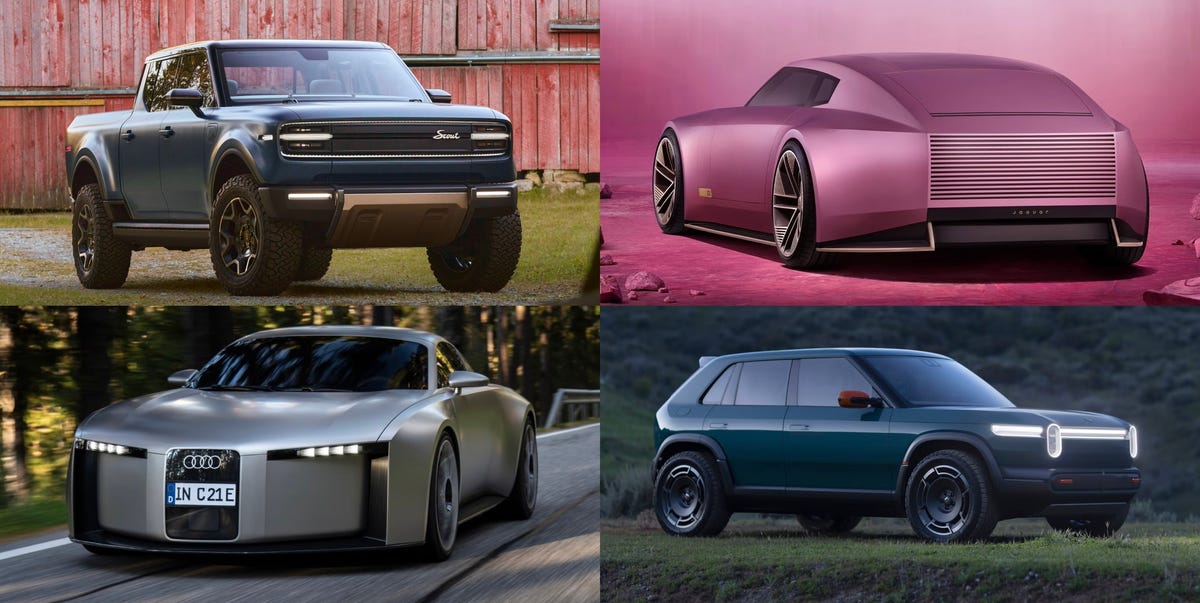
In the world of high-end EVs, the exterior design is dictated by the laws of physics. To achieve maximum range, engineers and designers work in tandem to minimize the drag coefficient. You will notice a recurring theme in upcoming models: a shift toward sculpted, organic shapes that allow air to flow seamlessly over the chassis. Features like flush-mounted door handles, active grille shutters, and sleek camera-based side mirrors are becoming standard. These design choices are not just for aesthetic appeal; they are essential for extending the driving range by reducing energy consumption at highway speeds.
Furthermore, the use of lightweight materials like aluminum alloys and carbon-fiber-reinforced polymers is helping to offset the weight of large battery packs. This balance between structural integrity and weight reduction is a hallmark of the new generation of vehicles. The visual language of these cars is becoming bolder, with full-width LED light bars and unique, futuristic lighting signatures that distinguish them from their internal combustion predecessors. The exterior is now a statement of intent, signaling that the vehicle belongs to a new, cleaner, and more intelligent era of travel.
Interior Cabin and Digital Sanctuaries
Stepping inside a modern EV is akin to entering a digital sanctuary. The cabin has been transformed into a space where technology and comfort intersect. The traditional, button-heavy center console is rapidly vanishing, replaced by expansive infotainment screens that offer intuitive control over every vehicle function. These systems are the brain of the car, powered by high-performance processors that support over-the-air (OTA) updates. This capability ensures that your vehicle actually gets better over time, gaining new features and efficiency improvements long after it leaves the showroom floor.
There is also a significant shift toward sustainability within the cabin. Premium manufacturers are moving away from traditional animal-based materials in favor of high-quality vegan leather, recycled ocean plastics, and bio-based textiles. This commitment to the environment extends to the manufacturing process, where carbon neutrality is becoming a key goal for major brands. The atmosphere inside is designed to be calming and spacious, often featuring panoramic glass roofs that flood the cabin with light, creating an airy, open environment that enhances the sense of luxury and well-being for all passengers.
Performance and Powertrain Dynamics
The performance capabilities of the next wave of EVs are nothing short of breathtaking. The defining characteristic of an electric powertrain is the delivery of instant torque, providing acceleration that can leave traditional supercars in the rearview mirror. Modern setups, ranging from dual-motor AWD to advanced tri-motor configurations, offer precise control over every wheel. This allows for superior handling, especially when cornering, as the vehicle can adjust power distribution in milliseconds to maintain perfect traction.
Behind this performance lies the core of the vehicle: the battery architecture. We are seeing a widespread move toward 800-volt systems, which allow for significantly faster charging times. This technology enables drivers to add substantial range in the time it takes to stop for a quick meal, effectively mitigating range anxiety. Additionally, the integration of silicon-carbide inverters is boosting efficiency, allowing the vehicle to travel further on the same amount of stored energy. The synergy between battery chemistry and motor efficiency is the engine of innovation for the next decade.
The Historical Context: A Circle Closed
It is a compelling irony that electric propulsion was once a leading contender in the early 20th century. Before the dominance of cheap, easily transportable gasoline, many early automobiles were powered by electricity. They were praised for being quiet, reliable, and easy to start—qualities that are once again the primary selling points of modern EVs. A fascinating bit of history involves the 1900s-era electric cars, which were often marketed to women because they did not require the dangerous hand-cranking necessary for early internal combustion engines. Today, that legacy of convenience and simplicity has been reborn through lithium-ion technology and sophisticated software management. We have truly come full circle, returning to the most efficient form of propulsion with the benefit of a century of technological advancement.
As we move forward, the integration of advanced driver-assistance systems (ADAS) will further redefine our relationship with the car. These systems use a complex array of sensors, LiDAR, and radar to provide a level of safety and convenience that was previously impossible. The vehicle is becoming an active participant in the driving process, capable of navigating traffic, parking itself, and even monitoring the driver’s well-being. This creates a safer, more predictable, and ultimately more enjoyable driving experience, ensuring that the transition to electric mobility is as seamless as possible for every driver on the road.
Vehicle Specifications
- Powertrain: Dual-motor or Tri-motor permanent magnet synchronous electric
- System Output: 450 horsepower to 1,100 horsepower
- Torque: 600 Nm to 1,400 Nm of instant torque
- Drivetrain: Torque-vectoring all-wheel drive
- Battery Capacity: 85 kWh to 130 kWh high-density lithium-ion packs
- Charging: 800V fast-charging capable (10% to 80% in under 18 minutes)
- Targeted Range: 450 km to 750 km (WLTP cycle)
- 0-100 km/h: 2.1 seconds to 4.2 seconds
- Top Speed: Electronically governed from 210 km/h to 260 km/h
- Technology: Integrated OTA updates and AI-driven ADAS suites
Key Keywords
- future electric vehicles
- electric car specs
- EV battery technology
- sustainable automotive design
- high-performance EVs
* Source: Latest Content – Car and Driver