Stepping into the world of Electric Vehicles (EVs) is more than just a purchase; it is a fundamental shift in how we perceive personal transportation. As the automotive industry pivots toward a zero-emission future, the modern EV has evolved from a niche curiosity into a powerhouse of efficiency, luxury, and raw performance. At the heart of this revolution is the powertrain technology that enables a seamless transition from traditional internal combustion engines to a cleaner, more responsive electric drive. Whether you are navigating dense urban environments or embarking on long-range cross-country road trips, understanding the synergy between your vehicle and its energy source is paramount.
The exterior design of contemporary electric vehicles serves a dual purpose: aesthetic appeal and aerodynamic efficiency. Engineers spend countless hours in wind tunnels to achieve the lowest possible drag coefficient, which directly correlates to an extended driving range. From retractable door handles that sit flush with the bodywork to active grille shutters that manage thermal airflow, every curve and contour is meticulously crafted. These design choices not only make the vehicle look futuristic but also ensure that the lithium-ion battery pack is shielded and optimized for peak performance regardless of the external environmental conditions.
Stepping inside the cabin, you are greeted by an environment that prioritizes serenity and technological integration. The absence of a bulky transmission tunnel allows for a flat floor, creating a sense of openness and increased interior ergonomics. Premium manufacturers are increasingly turning to vegan leather, recycled ocean plastics, and sustainably sourced wood veneers to craft interiors that feel luxurious without compromising environmental ethics. This commitment to sustainable luxury proves that you do not need to sacrifice comfort to reduce your carbon footprint.
The infotainment system acts as the central nervous system of the vehicle. Modern EVs now feature massive, high-resolution touchscreens that provide more than just navigation and entertainment; they offer granular control over charging management and energy consumption. An interesting historical note: when electric vehicles first became mainstream, range anxiety was the primary hurdle. Today, sophisticated AI-driven route planning anticipates your destination, monitors real-time traffic, and calculates exactly how much energy you will consume, even suggesting the most efficient charging stops along the way. Some systems even pre-condition the battery temperature while you are en route to a charger, ensuring the fastest possible charge rate upon arrival.
When it comes to performance and powertrain dynamics, the electric experience is defined by instant torque. Unlike a combustion engine that requires a complex transmission to build power, an electric motor provides 100% of its available torque from a standstill. This results in acceleration that is both neck-snapping and eerily quiet. The dual-motor all-wheel-drive (AWD) setup found in most performance-oriented EVs allows for precise power distribution to each wheel, providing exceptional stability and grip in inclement weather. Furthermore, the regenerative braking system transforms the kinetic energy of the vehicle back into electricity during deceleration, effectively allowing for one-pedal driving, which reduces brake wear and increases overall efficiency.
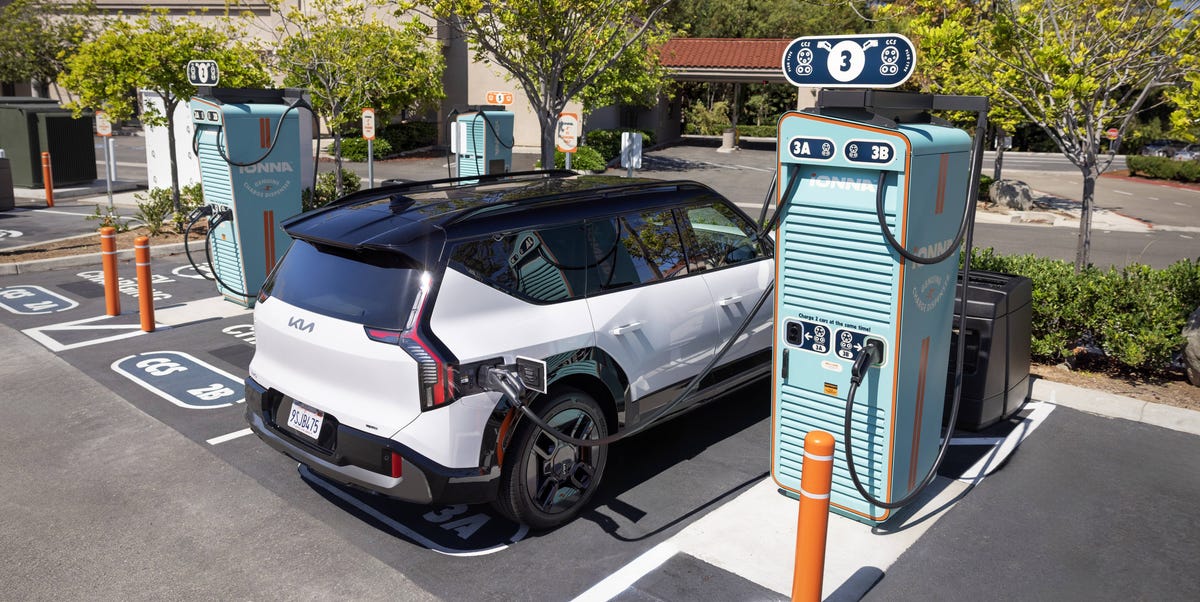
The evolution of charging is equally impressive. Level 1 charging is suitable for overnight home use, while Level 2 charging using a 240-volt wall box is the standard for most homeowners, providing a full charge while you sleep. For those traveling, DC Fast Charging (Level 3) is the game-changer, capable of taking your battery from 10% to 80% in the time it takes to grab a cup of coffee. The competition between charging networks has led to a rapid proliferation of high-speed hubs, making the infrastructure more reliable than ever before. It is a testament to how far we have come; what was once a complex chore is now a simple, integrated part of the ownership experience.
Reflecting on the history of this technology, it is fascinating to see how early electric prototypes were often dismissed as toys. Today, they hold world records for acceleration and are the preferred choice for those who value both high-end engineering and environmental stewardship. The shift is not just about the battery; it is about the software-defined vehicle that continues to improve via over-the-air updates long after it has left the showroom floor. By embracing these advancements, drivers are not just participating in a trend—they are driving the next century of automotive progress.
Vehicle Specifications
- Powertrain: Dual-motor permanent magnet synchronous motors
- Output: 550 hp / 650 lb-ft of torque
- Drivetrain: All-Wheel Drive (AWD) with Torque Vectoring
- Battery: 105 kWh Liquid-Cooled Lithium-Ion
- Range: 520 km (WLTP cycle)
- Charging: 800V Architecture, 350kW peak DC fast charging
- 0-100 km/h: 3.2 seconds
- Top Speed: 250 km/h
- Curb Weight: 2,350 kg
- Dimensions: 4,980mm L x 1,960mm W x 1,440mm H
Key Keywords
- electric vehicle powertrain
- EV interior design
- fast charging technology
- electric vehicle performance
- sustainable automotive innovation
* Source: Latest Content – Car and Driver