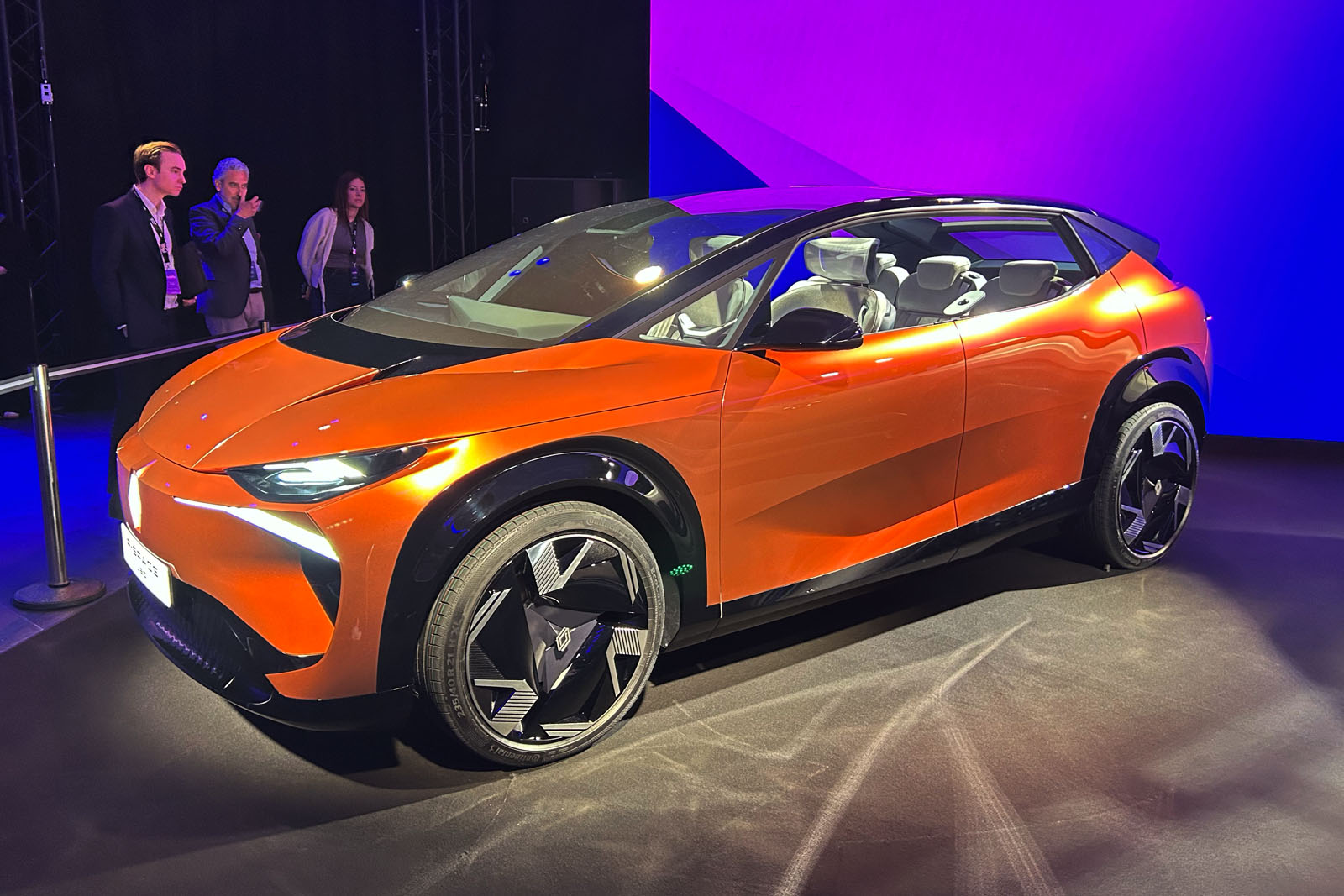
The automotive landscape is shifting, and Renault is positioning itself at the forefront of this evolution with the striking R-Space Lab concept. For decades, the Renault Espace has been the gold standard for European family transport, but as we look toward the future, the French automaker is signaling a bold departure from traditional design. This concept is not merely a design study; it is a clear roadmap for the next generation of modular vehicles that the brand intends to launch as part of its massive four-year expansion plan. The R-Space Lab represents a paradigm shift where the vehicle serves as an extension of the modern, connected household.
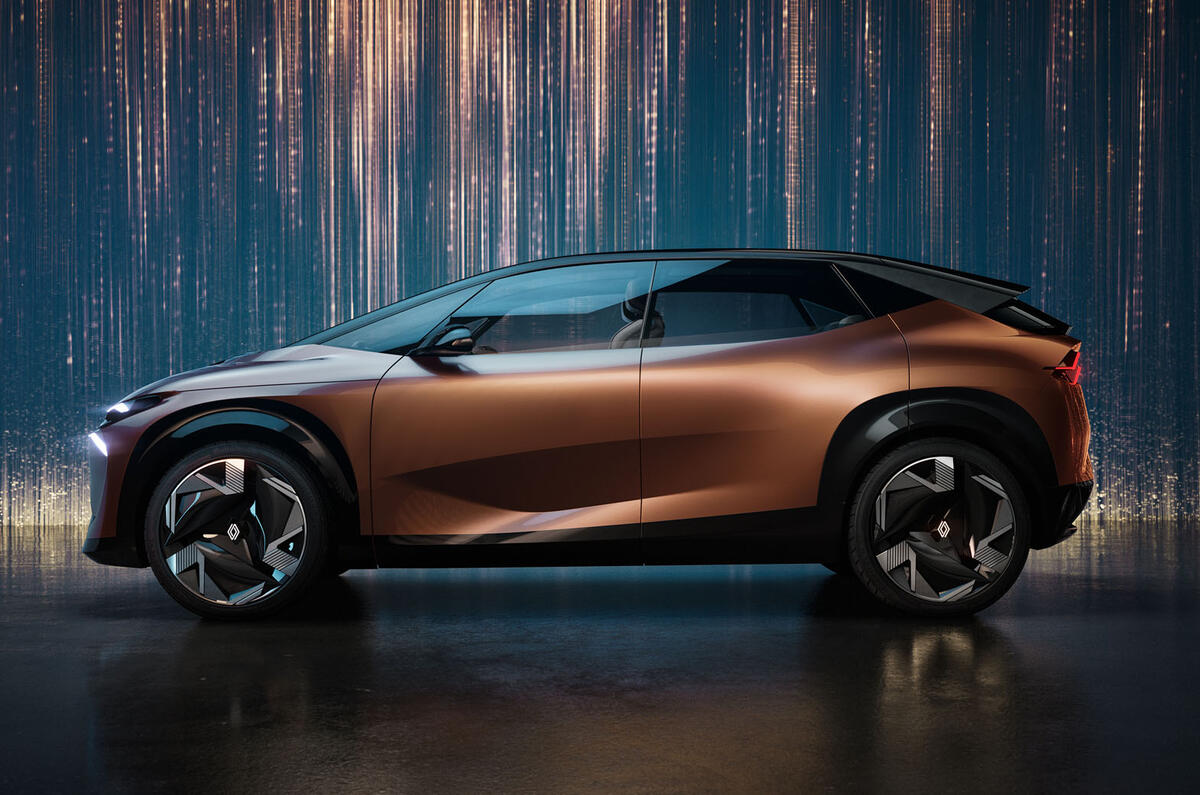
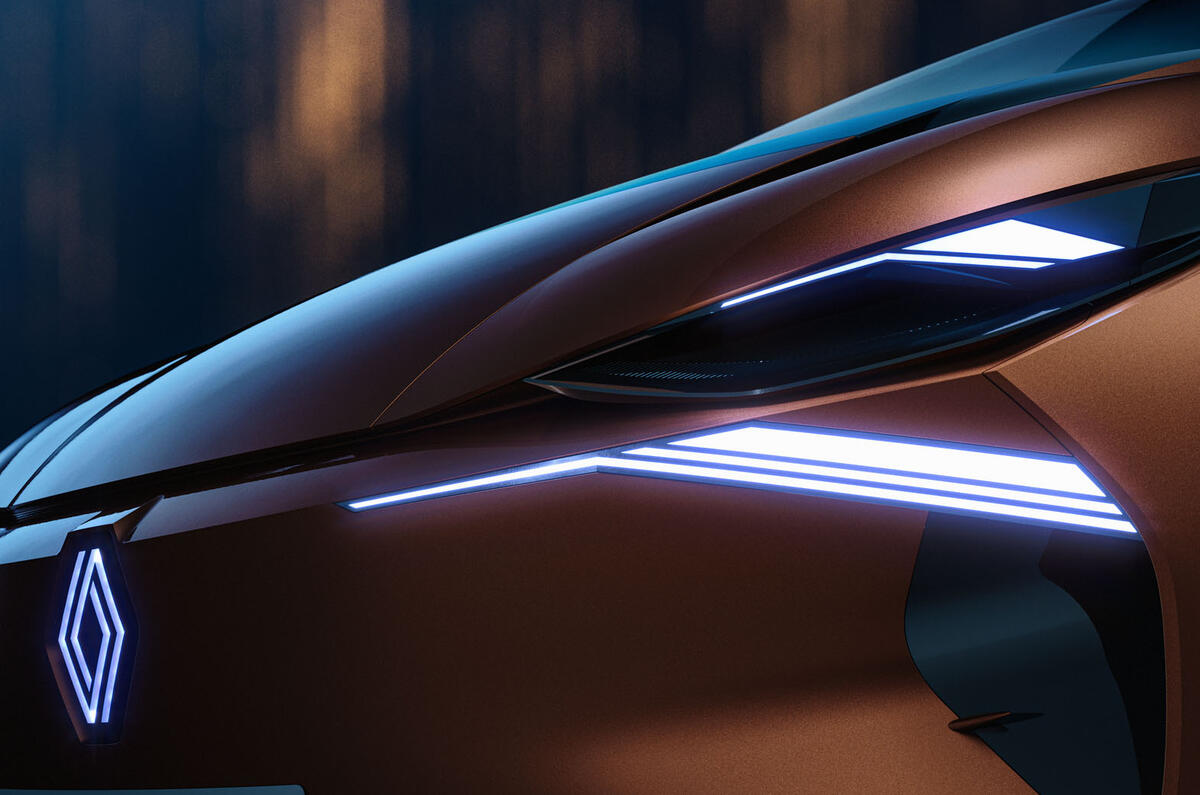
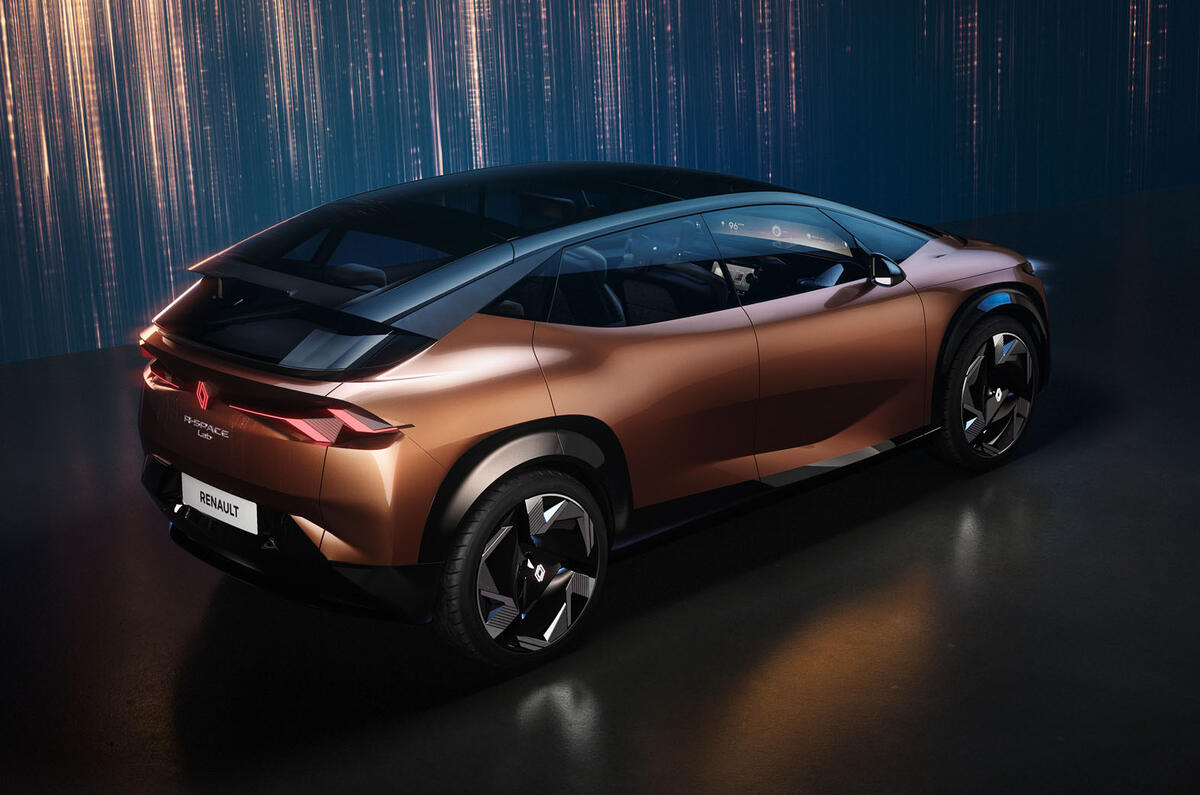
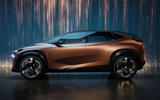
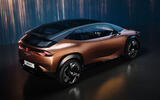
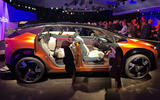
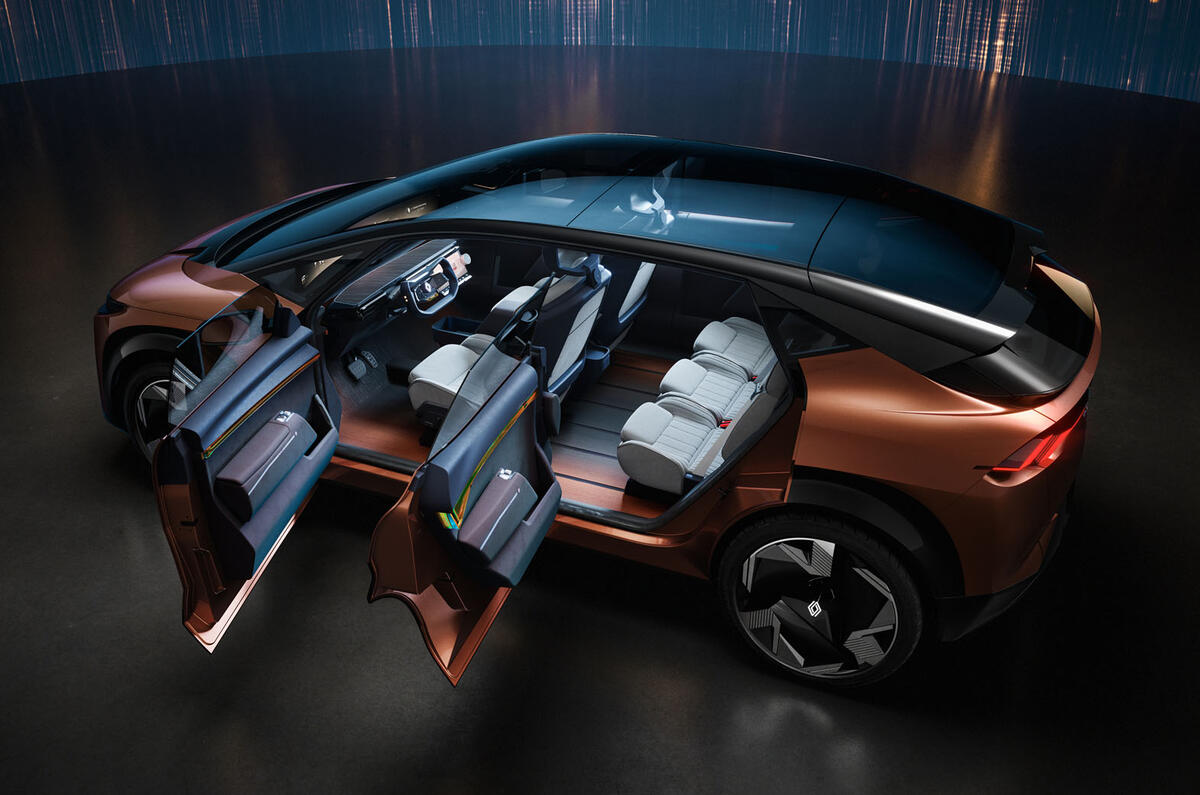
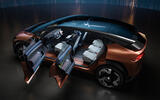
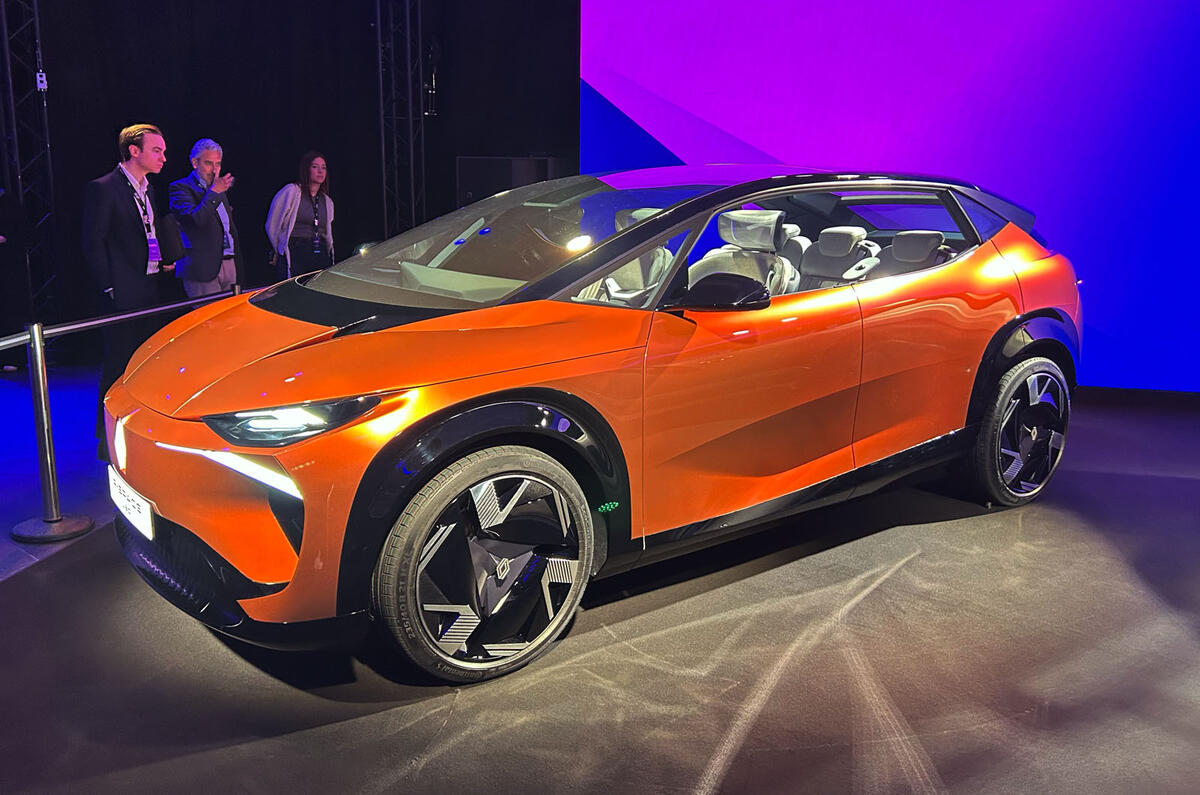
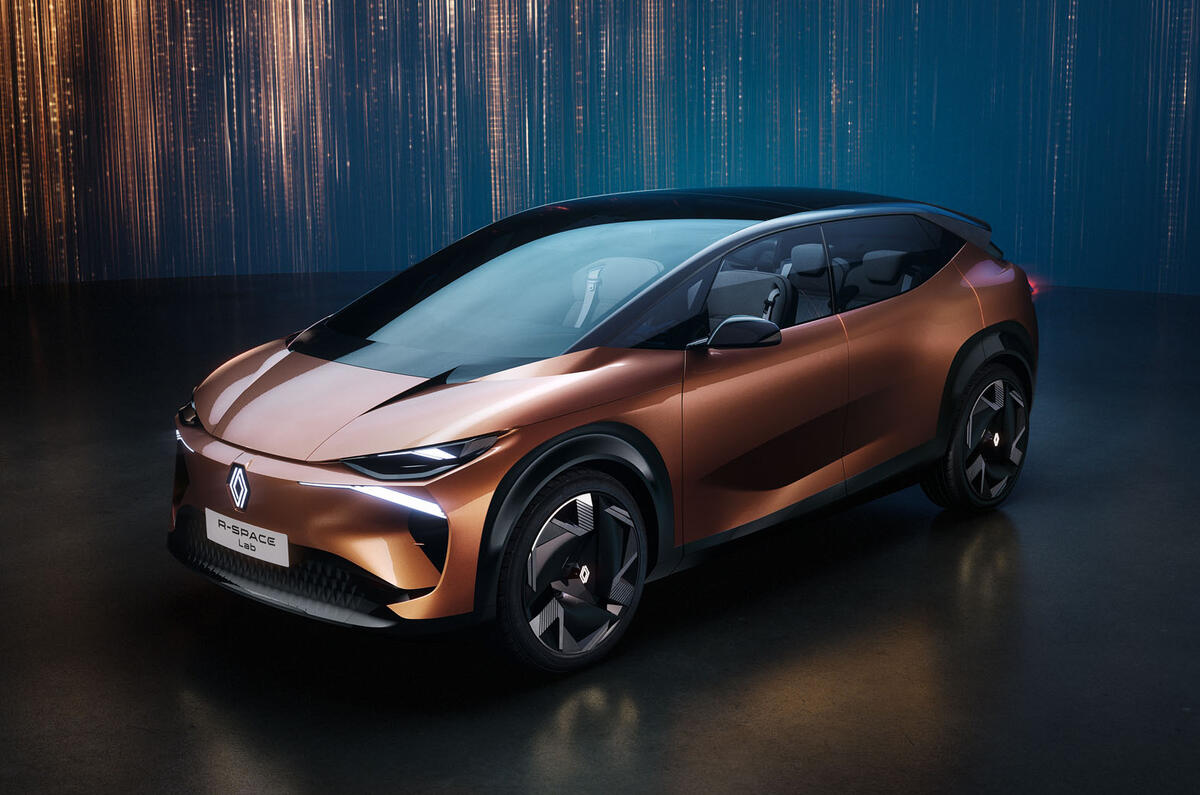
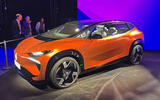
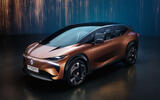
The exterior design of the R-Space Lab is nothing short of revolutionary. It discards the boxy, utilitarian aesthetic of old-school people carriers in favor of a sleek, aerodynamic profile that blends the practicality of a van with the aggressive stance of a sports crossover. The sculpted bodywork features sharp character lines that sweep from the front grille toward a tapered rear, suggesting a focus on efficiency and low drag coefficients. It is a masterclass in modern French styling, proving that family-oriented cars do not need to sacrifice visual appeal for interior volume. The clever use of light signatures and flush-mounted door handles enhances the futuristic aesthetic, making it look as if it is moving even while standing perfectly still.
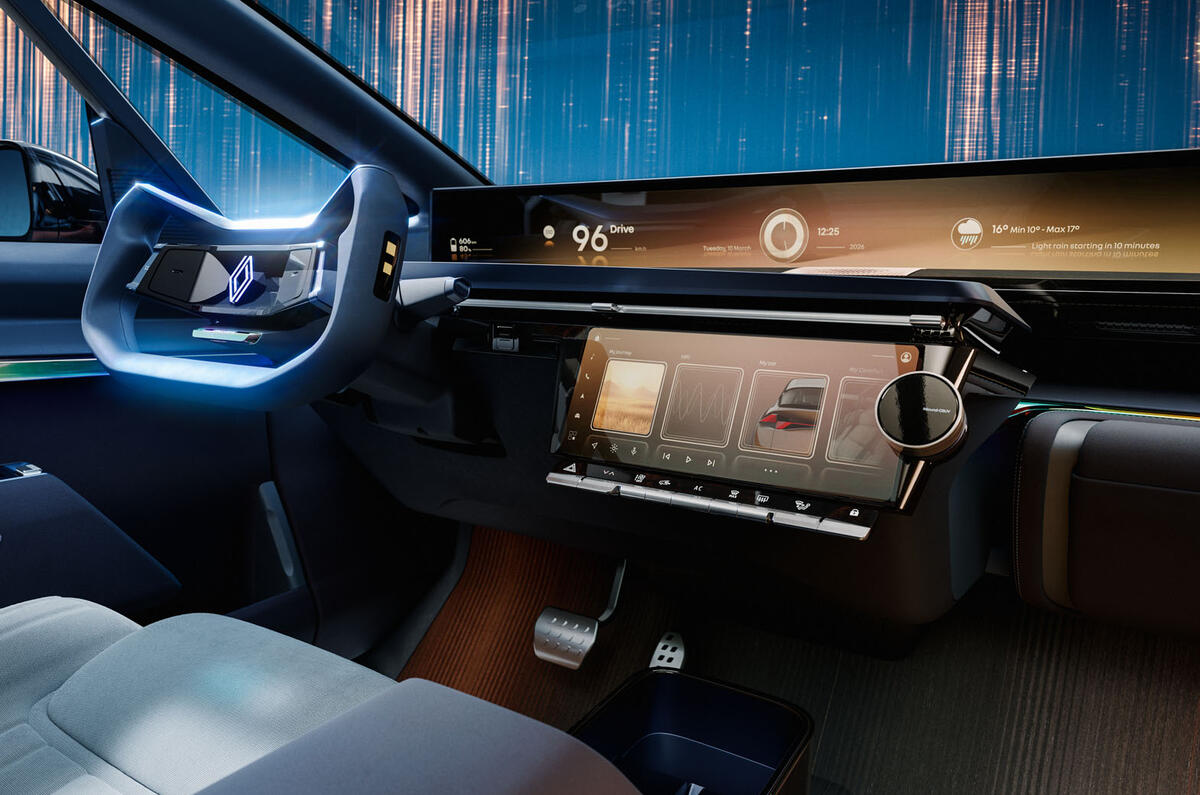
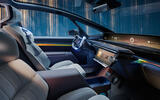
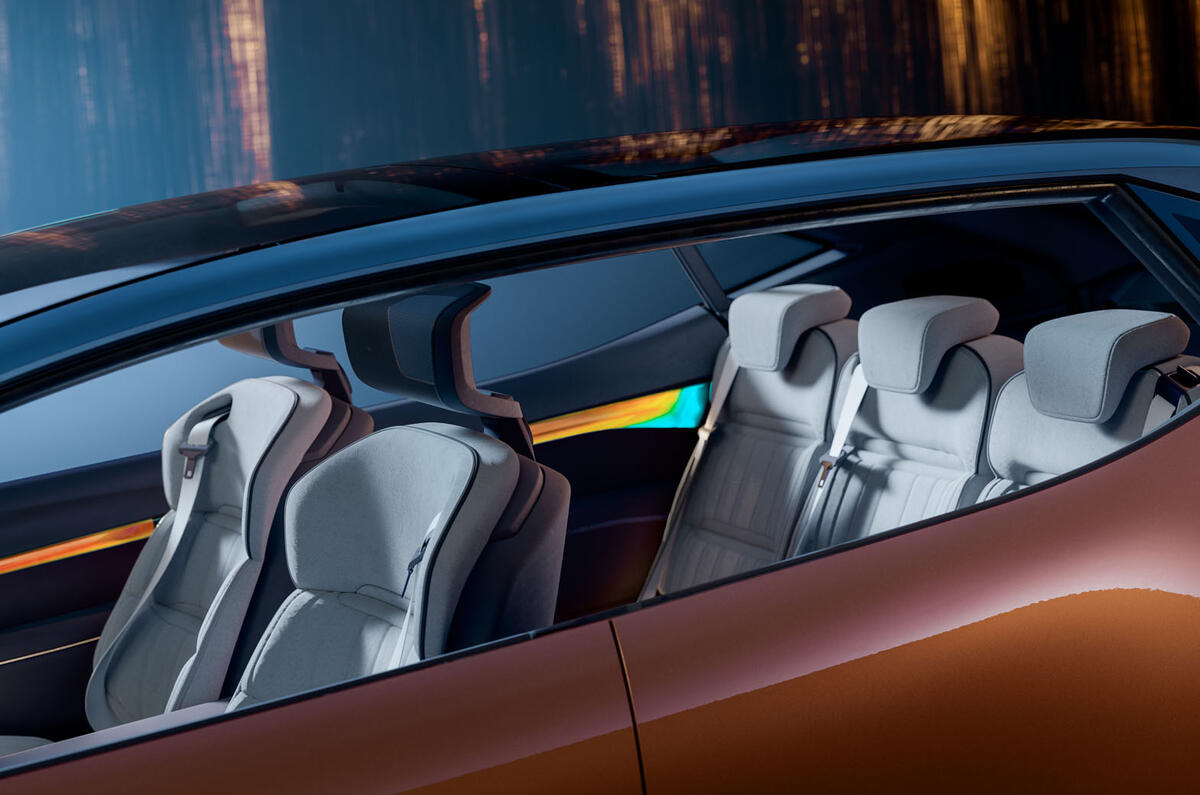
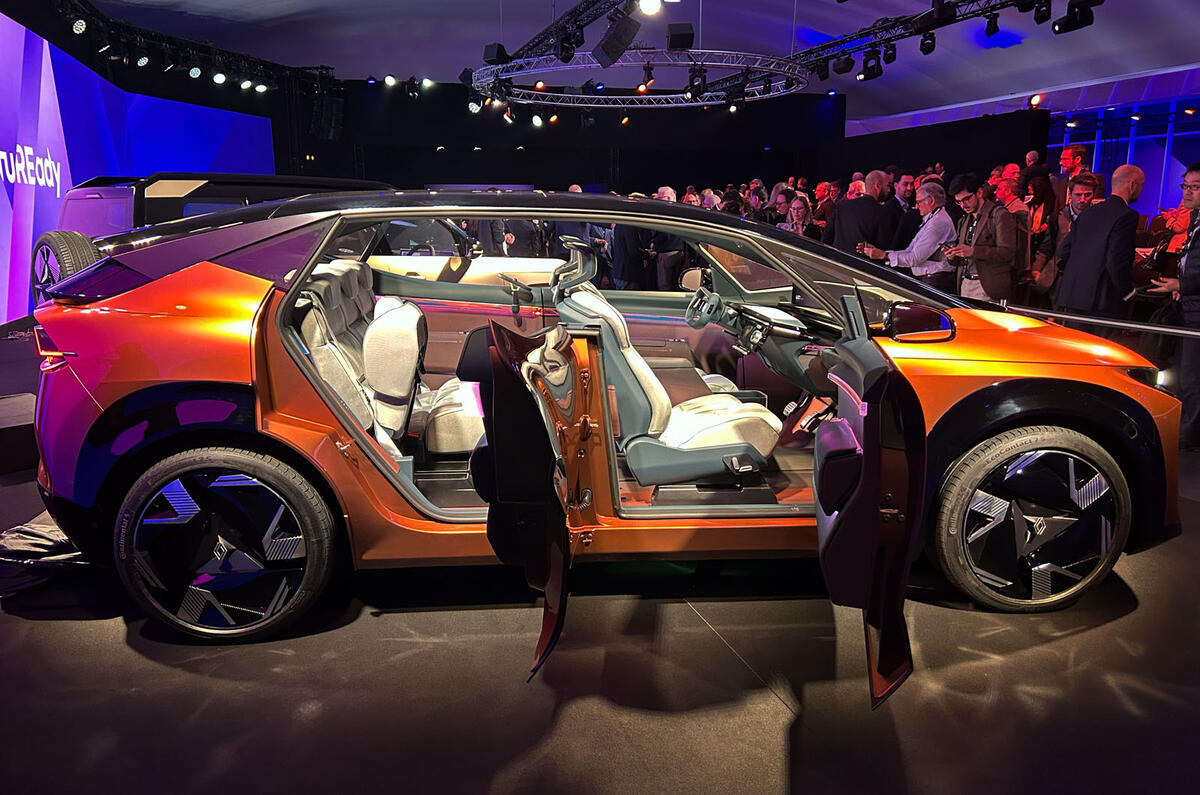
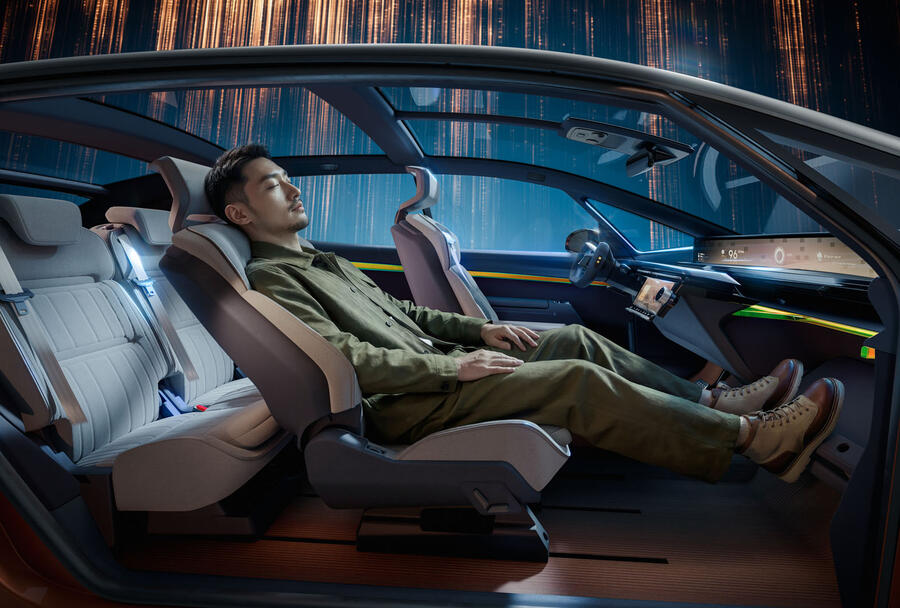
Stepping inside the R-Space Lab, you are greeted by an interior that redefines the concept of flexible cabin geometry. Renault engineers have focused heavily on modular versatility, allowing the cabin to be reconfigured based on the owner’s immediate needs. Whether you are hauling cargo for a weekend project or organizing a mobile office for a long-distance commute, the interior adapts in real-time. The seats utilize advanced lightweight materials that can slide, fold, or rotate, creating a lounge-like atmosphere that was previously impossible in a vehicle of this footprint. One interesting design detail is the rear seat arrangement, which uses a system of 27 motorized, independently moving cubes that can form a flat surface for play or individual seats for comfort, showcasing an unprecedented level of mechanical creativity.
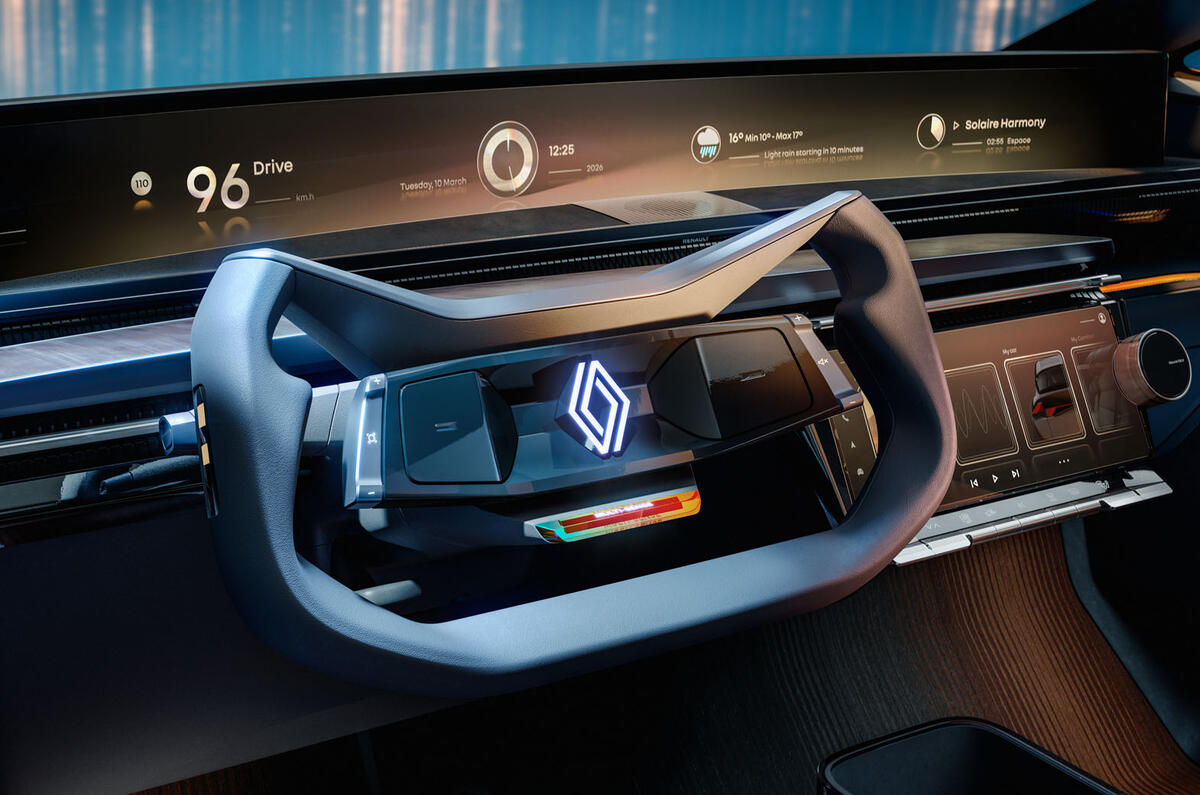
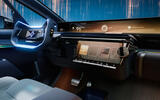
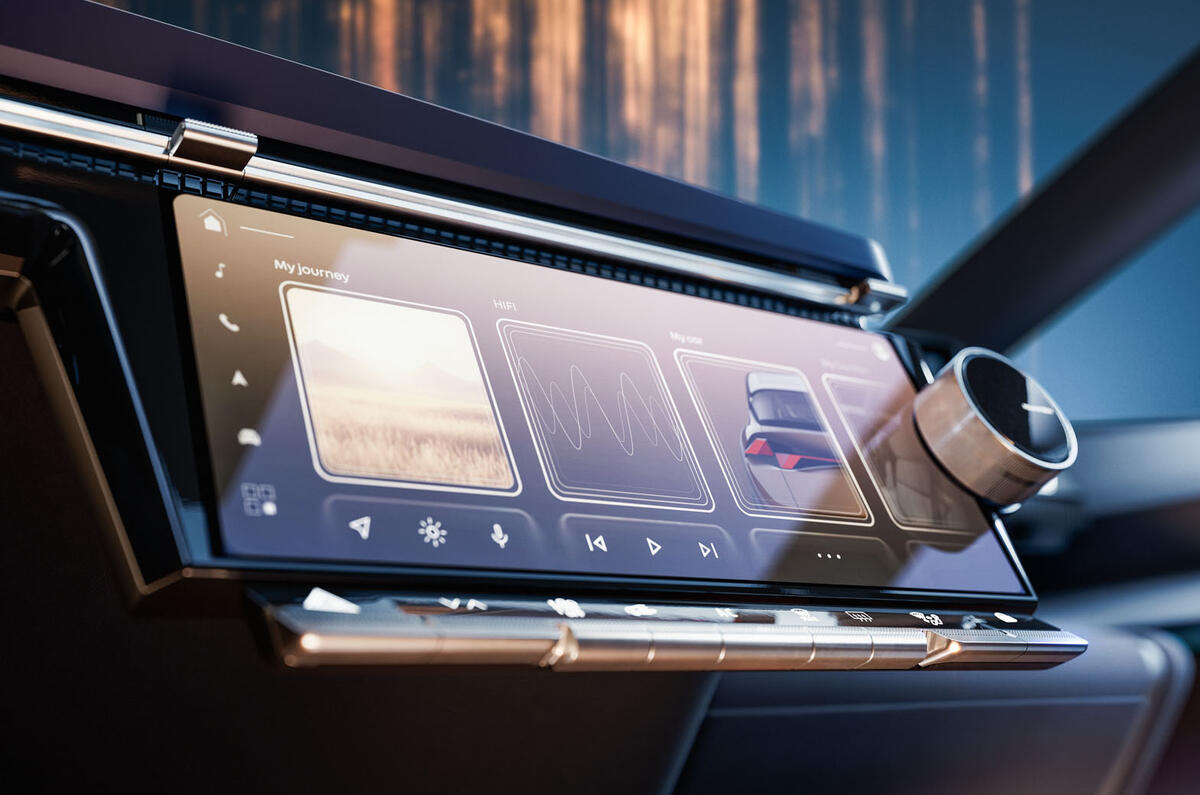
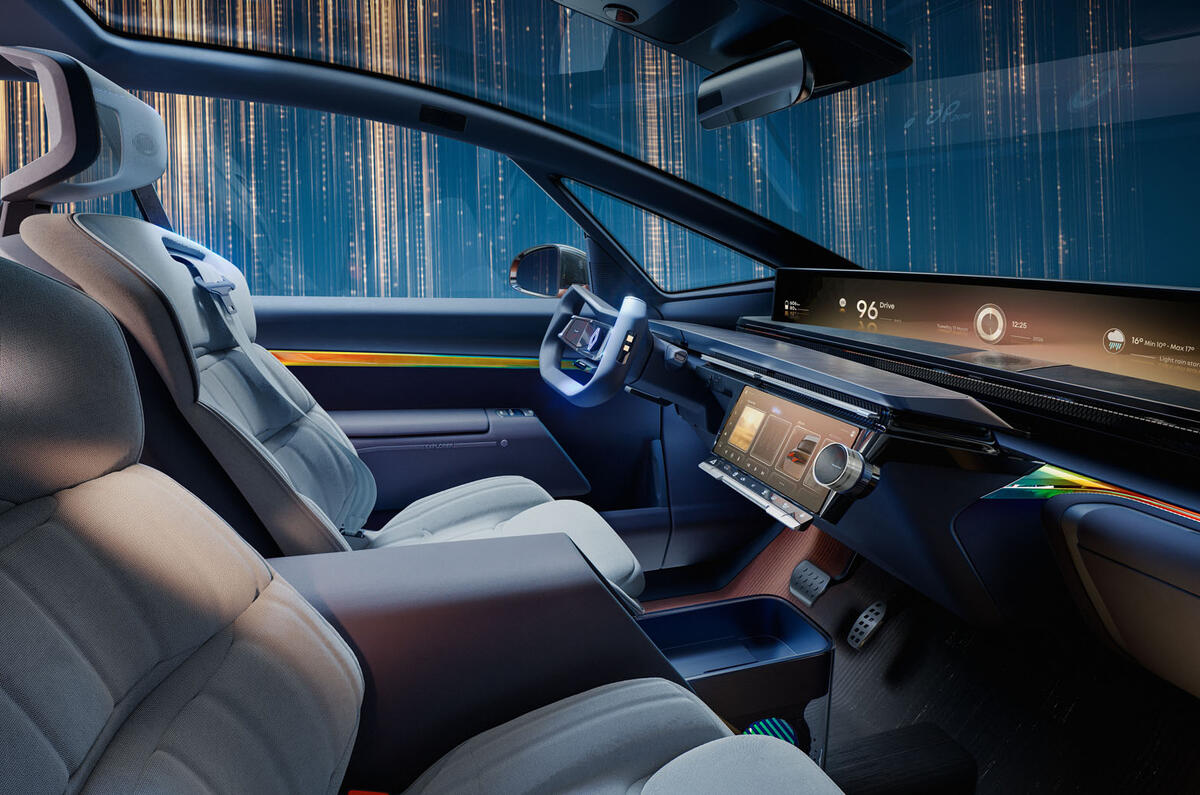
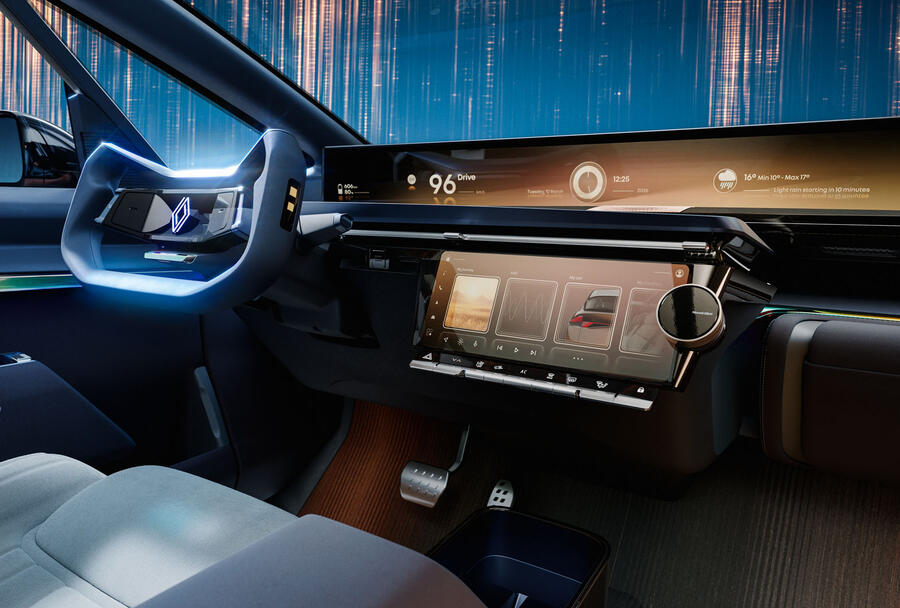
The dashboard is dominated by a digital-first interface that emphasizes simplicity and ease of use. By stripping away traditional buttons in favor of haptic touch surfaces, the cabin feels airy and uncluttered. This minimalist approach is complemented by ambient lighting solutions that change color based on the drive mode, further enhancing the psychological comfort of the passengers. It is a clear nod to the connected car experience that modern families demand in the digital age. The infotainment system is fully integrated with cloud-based services, allowing for seamless streaming, remote vehicle monitoring, and predictive maintenance alerts that keep the family on schedule during busy weeks.
Perhaps the most intriguing aspect of the R-Space Lab is its integration of cutting-edge AI safety technology. Renault has introduced a Safety Coach system, an artificial intelligence suite designed to monitor driver behavior and external road conditions in real-time. By analyzing traffic patterns and driver fatigue, the AI assistant can provide proactive guidance to prevent accidents before they happen. This is a significant leap forward in autonomous driving assistance. Furthermore, the concept introduces a touch-based alcohol detector integrated into the ignition process. This biometric safety feature ensures that the vehicle cannot be operated if the driver is impaired, showcasing Renault’s commitment to zero-fatality road safety goals.
While the exact performance figures for the production version remain not disclosed, the R-Space Lab concept hints at a high-efficiency electrified powertrain. Renault has been refining its E-Tech hybrid technology, and it is highly likely that this architecture will serve as the foundation for the next Espace. We anticipate a focus on instant torque delivery and regenerative braking efficiency to maximize range in urban environments. The transition to a fully electric or plug-in hybrid drivetrain is essential for meeting the strict European emission standards that are currently reshaping the industry. The handling dynamics of the R-Space Lab are expected to benefit from a low center of gravity, achieved by mounting the battery pack low within the chassis.
To understand the importance of this concept, one must look back at the history of the Renault Espace. Launched in the 1980s, the original Espace was arguably the first true European MPV, creating an entirely new market segment. It was a vehicle born out of a partnership between Matra and Renault, designed to offer the space of a van with the driving characteristics of a sedan. Over the decades, it has evolved through several generations, constantly reinventing itself to stay relevant in a changing market. The R-Space Lab represents the latest evolution in this storied lineage, ensuring that the legacy of the Espace continues to thrive in an era defined by electrification and intelligent mobility.
Vehicle Specifications
- Powertrain: Next-gen E-Tech Hybrid/EV (Estimated)
- Output/Torque: High-performance electric motor configuration
- Drivetrain: Advanced Front-wheel drive with torque vectoring
- Transmission: Multi-mode intelligent automatic
- Battery/Range: High-density lithium-ion with 400km+ range
- Curb Weight: Optimized lightweight composite architecture
- 0-100 km/h: Under 7.5 seconds (Estimated)
- Top Speed: Electronically limited to 180 km/h
- Dimensions: Compact-MPV footprint with elongated cabin
- Wheelbase: Extended for maximum interior legroom
Key Keywords

- Renault R-Space Lab
- next-generation Espace
- Renault concept car
- automotive AI safety
- modular car interior
- future of MPVs
* Source: Autocar