The Evolution of the Electric Pioneer
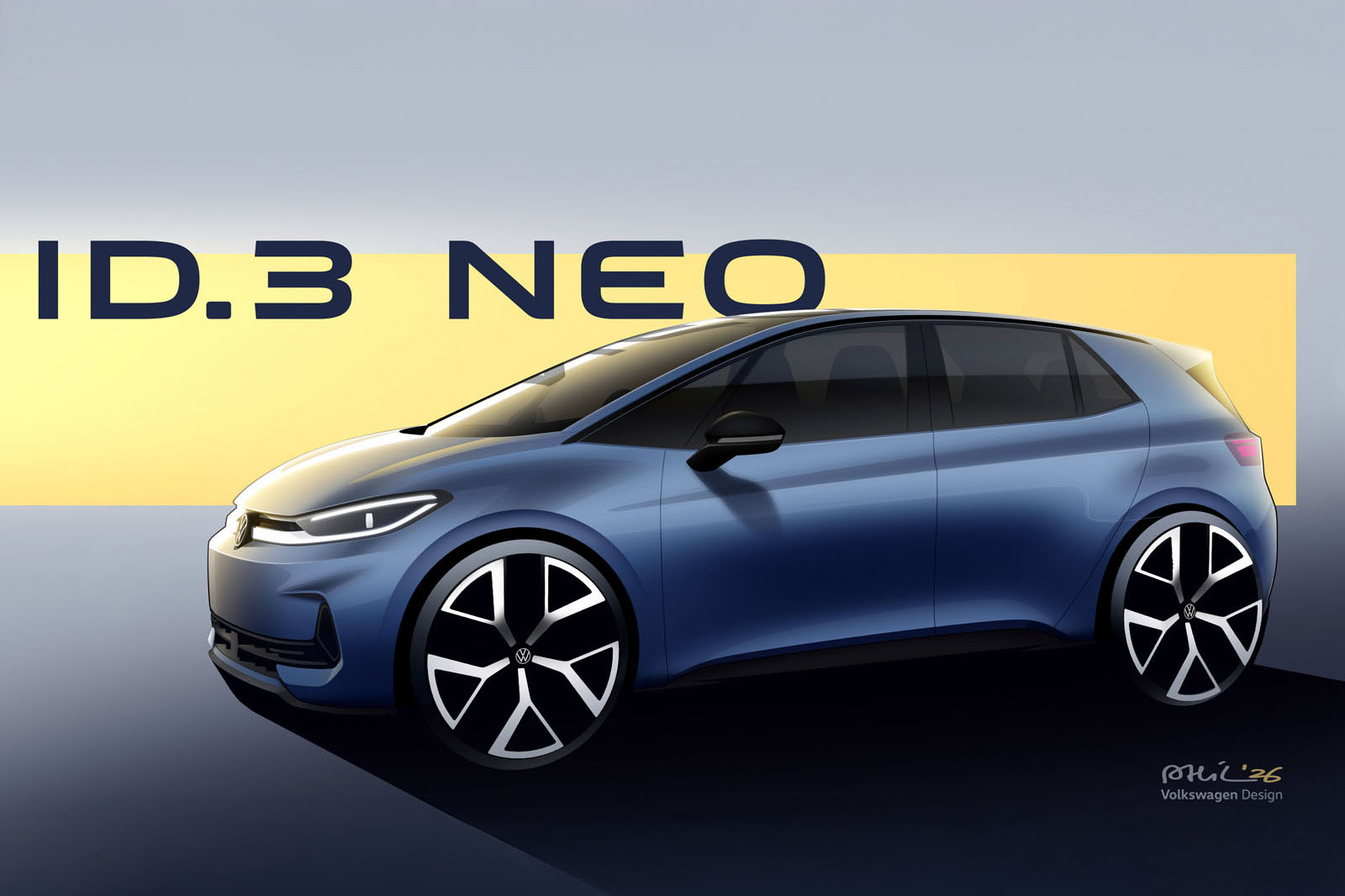
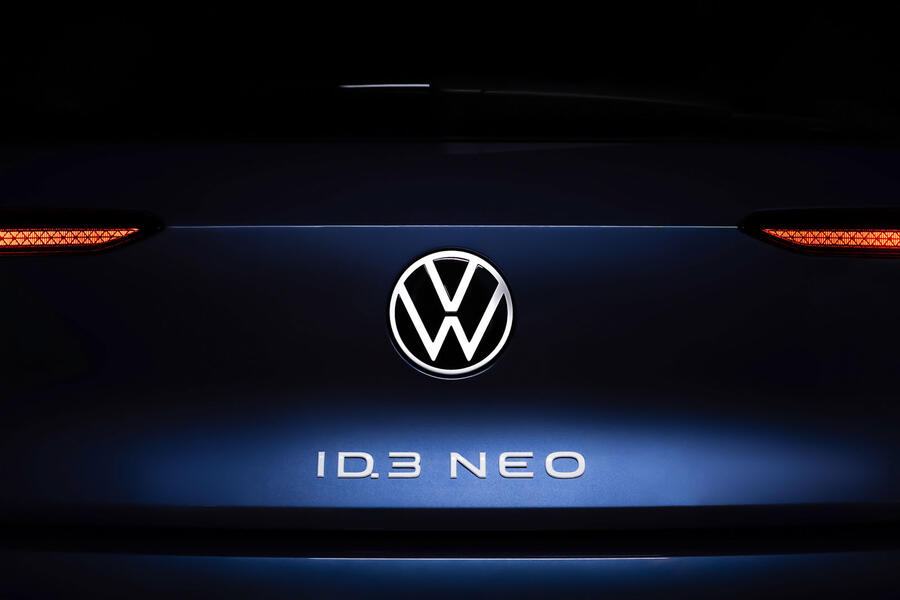
When Volkswagen first introduced the ID 3 in 2021, it represented a monumental shift for the legendary German automotive giant. As the first vehicle built from the ground up on the modular electric drive matrix (MEB) platform, it served as the spearhead of VW’s ambitious global electrification strategy. Now, the brand is preparing to cement its legacy with a comprehensive facelift and a rebranding to the ID 3 Neo, signaling a new, more refined chapter for the hatchback that replaced the iconic internal combustion Golf in the minds of many eco-conscious buyers.
The transition to the Neo moniker is not merely a marketing exercise; it represents a fundamental shift in how Volkswagen approaches the user experience. The development story of the original ID 3 was one of rapid, high-pressure technological adaptation, often resulting in software growing pains. The ID 3 Neo is the answer to those early challenges, reflecting years of customer feedback and iterative engineering improvements that turn a ‘first attempt’ into a mature, highly capable daily driver.
A Fresh Exterior Design Language
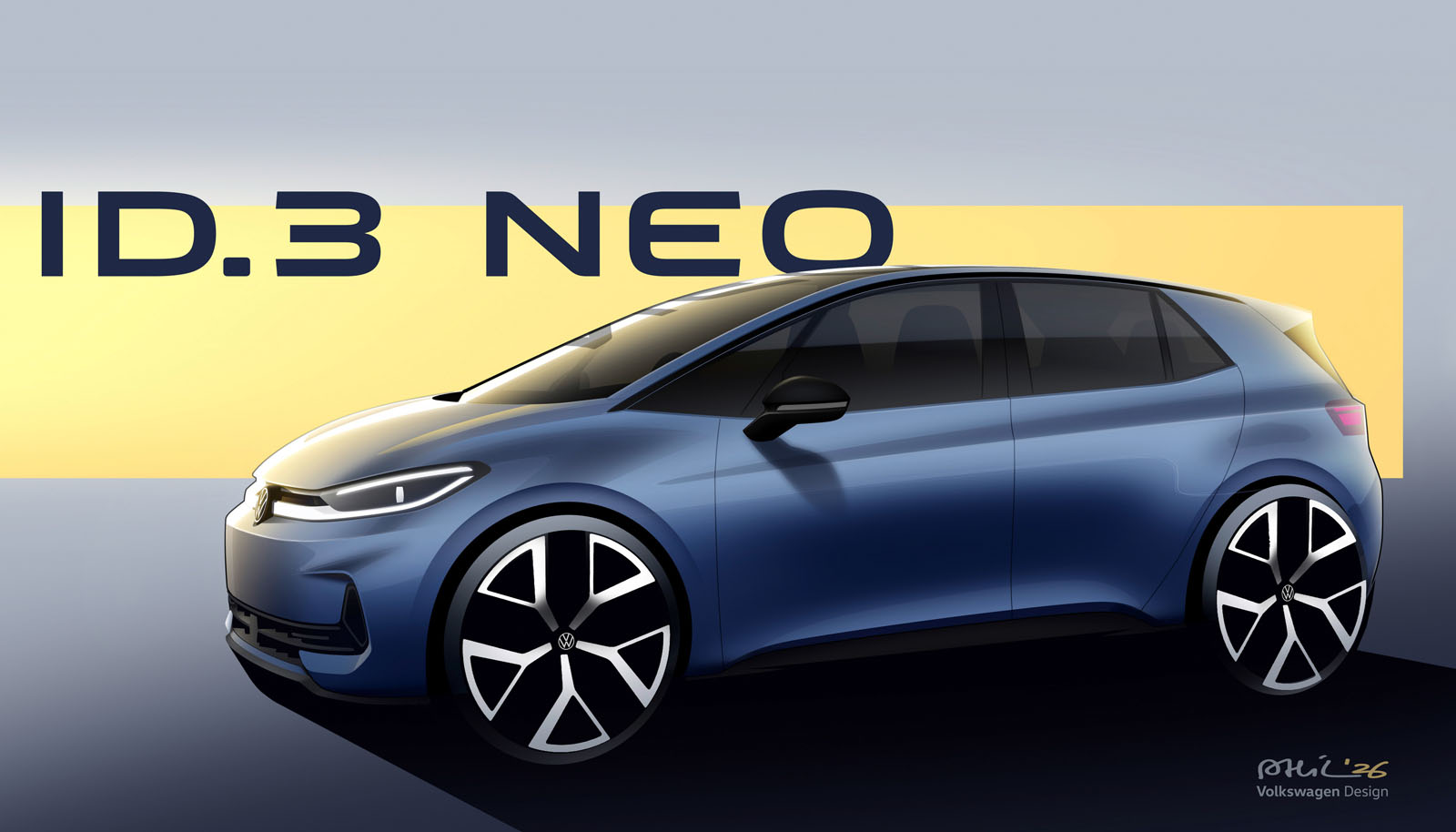

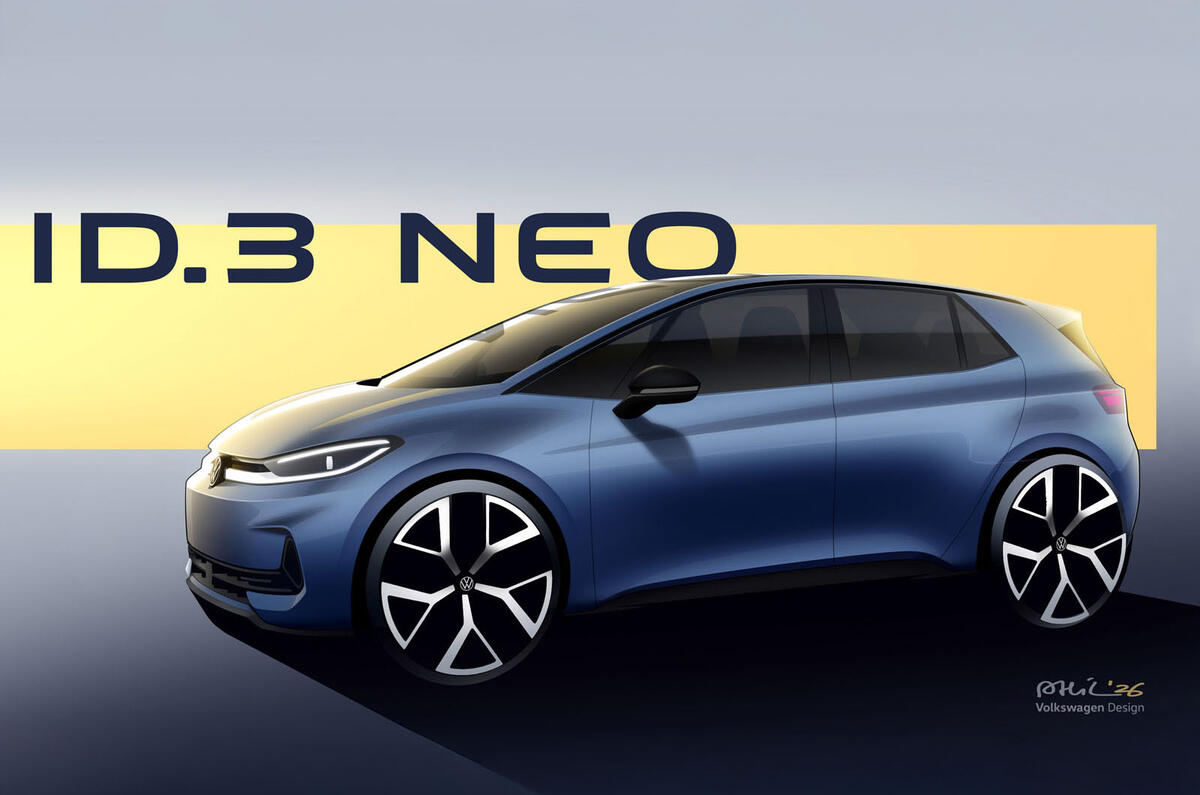
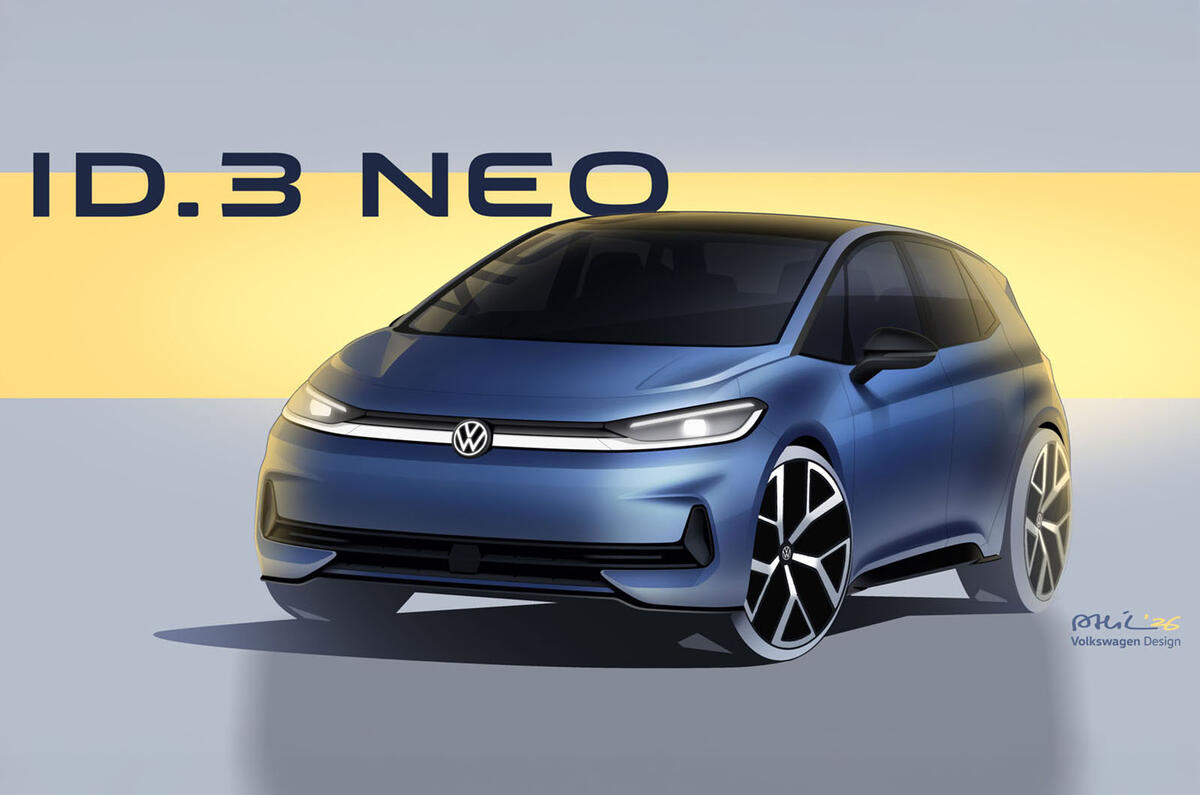
The upcoming ID 3 Neo features a more aggressive, mature, and aerodynamic design profile. Designers have focused intently on refining the front bumper, which now sports larger, more functional air intakes to improve thermal management and cooling efficiency for the battery pack. The signature LED matrix headlights have been sharpened, giving the car a more focused, modern, and piercing gaze on the road, while the hood lines have been sculpted to look less ‘bubble-like’ and more athletic.
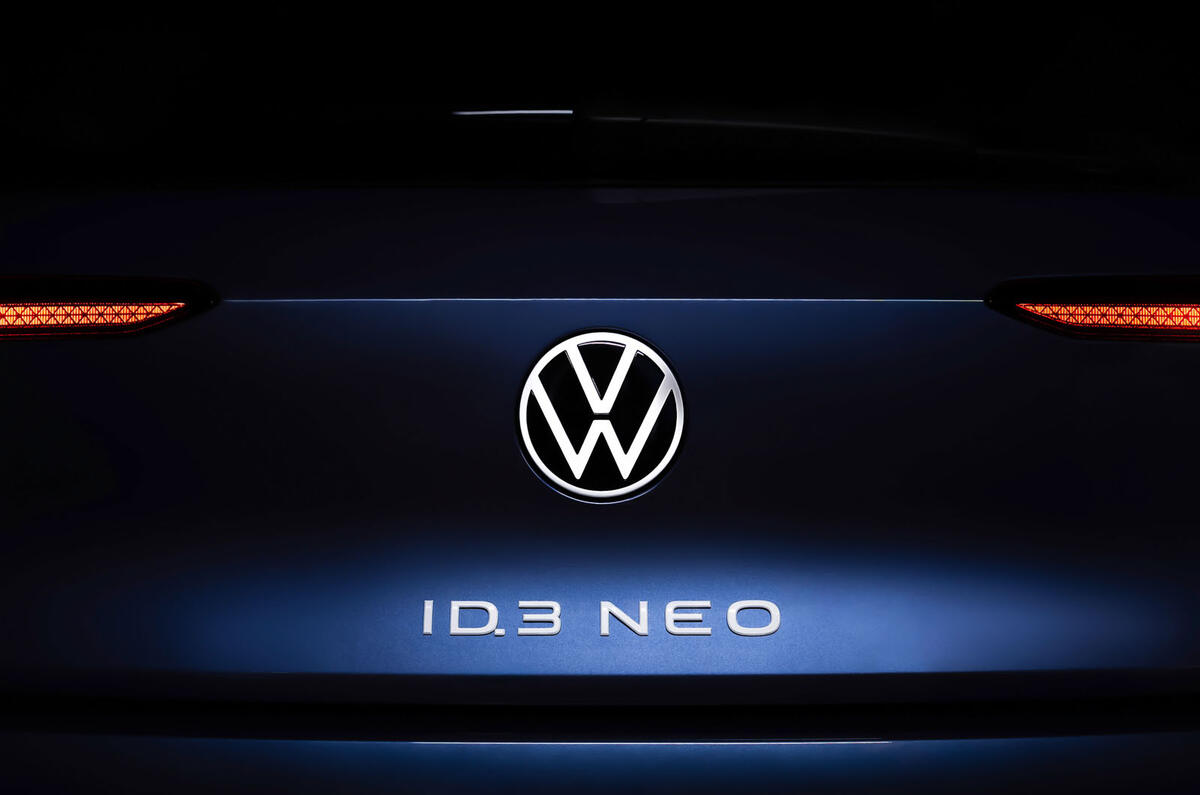
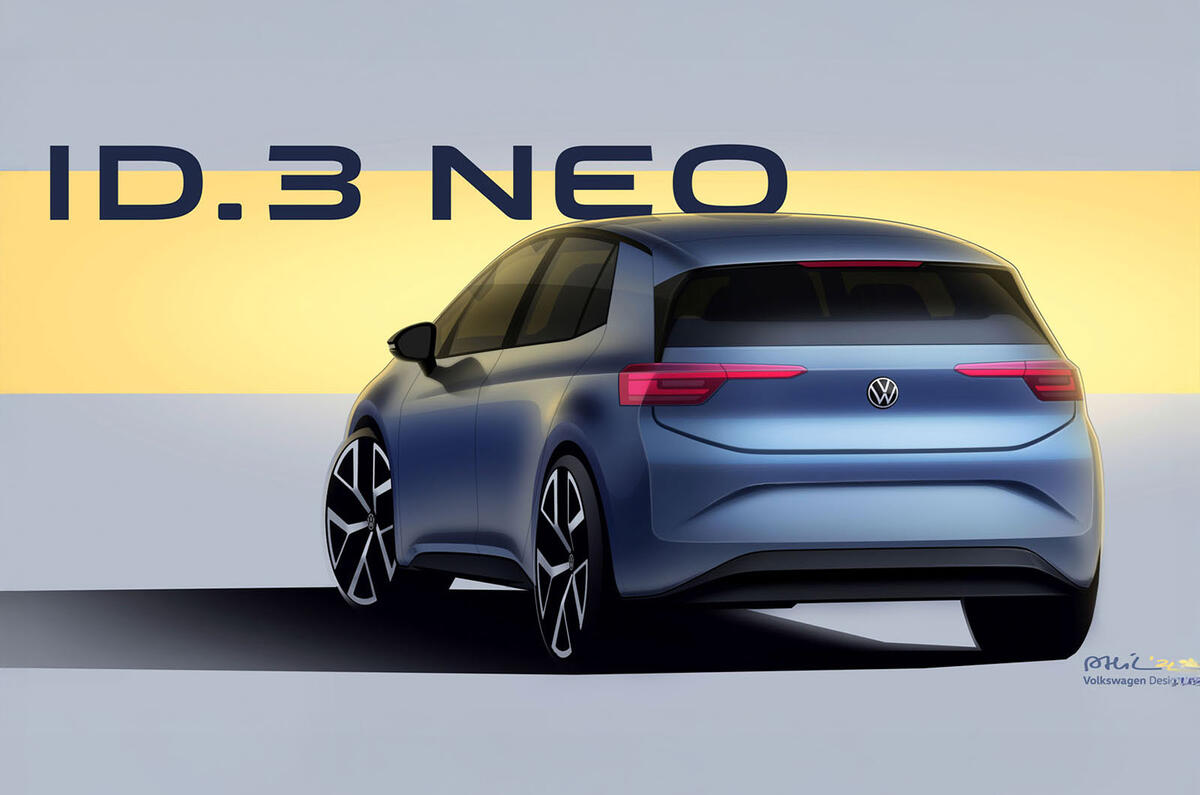
The rear of the vehicle receives a similarly subtle but effective update. New taillight clusters with updated light signatures provide a more sophisticated, high-tech look that aligns with the rest of the ID family. These aesthetic changes are not just for show; they contribute to a lower drag coefficient, which is vital for extending the electric range in real-world highway driving conditions. By smoothing out airflow around the pillars and wheel arches, the engineers have managed to squeeze out extra efficiency without sacrificing the car’s unmistakable hatchback silhouette.
Inside the Cabin: Quality and Comfort
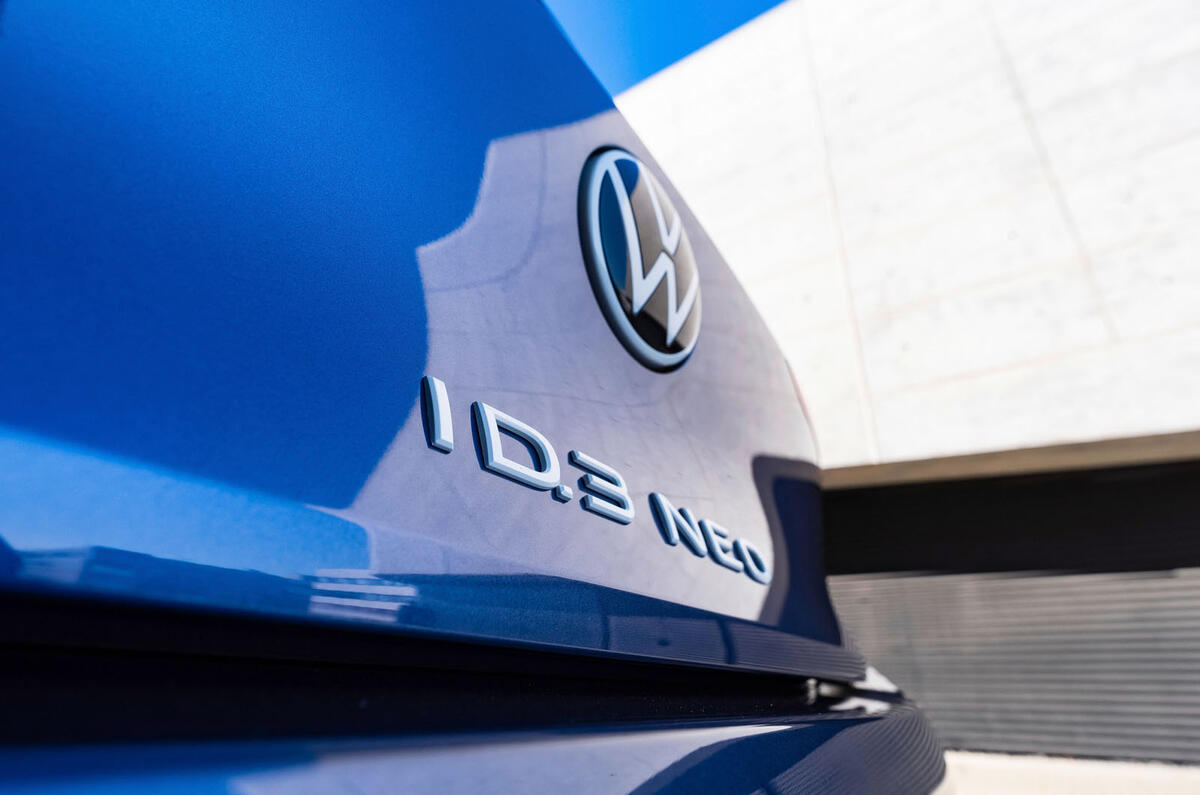
Perhaps the most criticized aspect of the original ID 3 was the reliance on hard, scratchy plastics in the cabin. Volkswagen has clearly listened to the vocal feedback from the enthusiast community and the new ID 3 Neo features a significantly upgraded cabin experience. Expect to see higher-grade soft-touch materials, improved sound deadening in the door panels, and more premium, sustainable upholstery options throughout the interior that feel much closer to the brand’s luxury offerings.
The dashboard layout remains refreshingly minimalist, but the ergonomics have been thoroughly refined. The central infotainment touchscreen has been updated to run the latest version of VW’s software, which promises significantly faster response times, better menu navigation, and a more logical layout. This is a crucial improvement that effectively addresses the lag and complexity experienced by early adopters. Furthermore, the head-up display (HUD) has been enhanced with augmented reality features, projecting navigation prompts directly onto the road ahead with higher clarity.
Performance and Powertrain Refinements
While the core powertrain architecture remains consistent with the proven MEB platform, Volkswagen has fine-tuned the electric motor performance and torque delivery. The ID 3 Neo will offer a much more responsive driving experience, particularly in terms of throttle mapping and regenerative braking calibration. This makes city driving feel smoother and more intuitive, as the car effectively manages its own momentum without the need for constant pedal adjustment.
Battery technology also sees incremental but vital improvements. While the exact capacity remains similar to previous models, the battery management system (BMS) has been optimized to improve charging curves at high-speed DC stations. This ensures that long-distance journeys are more efficient and less time-consuming for the driver, as the vehicle can maintain higher charging speeds for a longer duration before tapering off. The car also features an improved thermal management system that pre-conditions the battery automatically when a charging station is set as a destination in the navigation.
A Legacy of Innovation
It is important to remember that the ID 3 was the first of its kind for Volkswagen, effectively filling the role of the Golf in the electric era. The pressure to succeed was immense, and the development story of the ID 3 is one of rapid technological adaptation. The shift to the Neo branding suggests that Volkswagen is moving away from purely numerical designations to names that evoke a sense of character and renewed purpose. The rivalry in the C-segment EV space is fiercer than ever, with competitors from Korea and China pushing the envelope on value and technology. Therefore, the ID 3 Neo must prove that it is more than just a brand name change; it must be a holistic improvement that maintains the driving dynamics that made the original chassis so well-regarded by automotive critics.
As the industry pivots toward software-defined vehicles, the ID 3 Neo will feature enhanced over-the-air (OTA) updates. This ensures that the vehicle remains current long after it leaves the factory floor. By continuously improving the software ecosystem, VW hopes to keep the user experience fresh and competitive against newer market entrants. Driving the ID 3 Neo, one immediately notices the low center of gravity provided by the floor-mounted battery pack. This remains a key selling point, as it allows for agile handling and a stable ride quality. The suspension geometry has been tweaked slightly to offer a better balance between comfort and sportiness, making it a versatile daily driver for urban commuters who also enjoy a spirited drive on winding backroads. Ultimately, the rebranding to ID 3 Neo is a bold move that signals Volkswagen is not resting on its laurels. It is a commitment to the electric transition and a promise to refine the products that define the brand’s future. Whether you are a long-time VW fan or someone considering their first electric car, the new Neo represents a compelling evolution of a modern classic that finally delivers on the original promise of the platform.
Vehicle Specifications
- Powertrain: Rear-mounted permanent magnet synchronous motor
- Output/Torque: 201 hp / 310 Nm
- Drivetrain: Rear-wheel drive
- Transmission: Single-speed automatic
- Battery Options: 58kWh to 77kWh usable capacity
- Electric Range: Up to 550km (WLTP cycle)
- Curb Weight: Approximately 1,800 kg
- 0-100 km/h: Approximately 7.3 seconds
- Top Speed: 160 km/h (electronically limited)
- Dimensions: 4,261mm (L) x 1,809mm (W) x 1,568mm (H)
- Wheelbase: 2,770 mm
Key Keywords

- Volkswagen ID 3 Neo
- electric hatchback
- VW electric cars
- EV updates
- electric vehicle performance
- MEB platform
* Source: Autocar