A New Chapter for an Automotive Icon
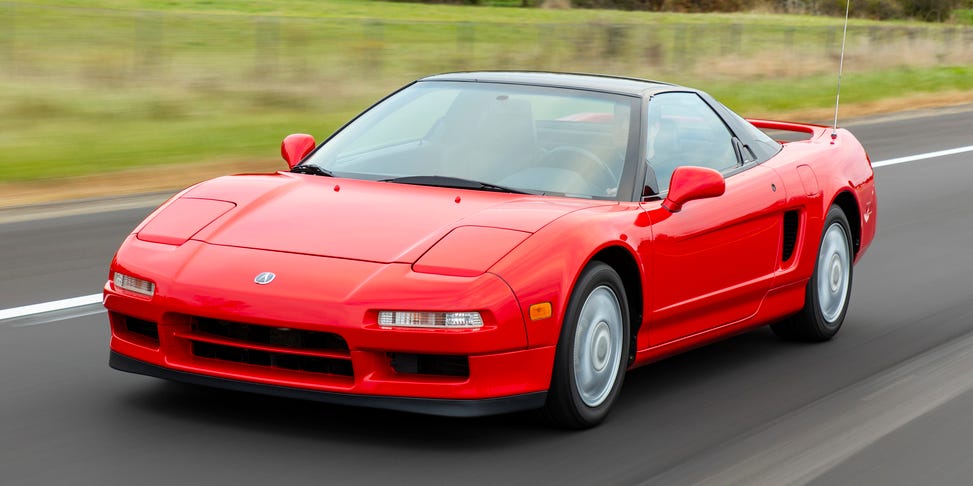
For decades, the Acura NSX has stood as a beacon of engineering brilliance, proving that a supercar could be both high-performing and incredibly reliable. Now, Honda is taking a monumental step to preserve this legacy by launching the Honda Heritage Parts Program, specifically targeting owners of the first-generation NA1 and NA2 models. This initiative is more than just a warehouse clearance; it is a commitment to remanufacturing and redeveloping components that have long been considered obsolete. Whether you are a weekend cruiser or a track-day fanatic, the scarcity of genuine OEM parts has been the single greatest hurdle in maintaining these machines. Honda’s decision to step in effectively future-proofs the ownership experience for every collector.
The story of the NSX is deeply rooted in the pursuit of perfection. During its development, Honda engineers were not content with merely matching the performance of their Italian rivals; they wanted to surpass them in usability and structural integrity. They famously flew in Ayrton Senna, the legendary Formula One driver, to Suzuka Circuit to test the prototype. Legend has it that after Senna drove the initial chassis, he told the engineers that the car felt ‘a little fragile.’ Honda designers immediately returned to the drawing board, stiffening the chassis by an additional 50 percent, which ultimately gave the production car its signature handling prowess. This level of dedication is exactly what the new heritage program seeks to honor by ensuring these original, high-performance parts remain accessible.
The Engineering Marvel of the NA1
When the NSX debuted, it shattered the status quo, challenging the established titans from Italy and Germany with its all-aluminum monocoque chassis. The car was not just about raw speed; it was about the driving dynamics and the seamless integration of man and machine. The exterior design, characterized by its iconic pop-up headlights and low-slung, fighter-jet-inspired canopy, continues to look contemporary even by modern standards. Honda’s commitment to providing reproduction body panels and structural components means that owners of damaged vehicles can finally restore their cars to factory specifications without resorting to subpar aftermarket alternatives. Every curve of the aluminum body was designed with aerodynamic efficiency in mind, and having access to these specific panels ensures that the original aesthetic is perfectly maintained.
Interior Comfort and Analog Simplicity
Step inside the cabin, and you are greeted by an interior that prioritizes the driver above all else. The ergonomic layout of the first-gen NSX is a masterclass in simplicity, featuring a wrap-around cockpit that feels intimate and focused. While the infotainment systems of the 90s are now considered primitive—consisting mostly of a basic cassette or CD player and simple radio controls—the tactile feel of the buttons and the classic analog instrument cluster provide a visceral connection to the road that modern digital screens simply cannot replicate. In an era of touchscreens, the NSX interior offers a refreshing, driver-centric experience that relies on physical feedback rather than complex software menus.
Honda is looking into sourcing various interior trim pieces, which is a massive win for collectors. Finding pristine dashboard plastics, door panels, and leather upholstery has become a game of patience on the secondary market. By tapping into their original design blueprints, Honda plans to offer components that retain the exact grain and texture of the original materials. This ensures that the cabin remains as luxurious and tight as the day it left the factory floor, preventing the rattles and wear that typically plague aging sports cars.
Powertrain and Performance Excellence
At the heart of the original NSX lies the legendary C30A V6 engine, equipped with Honda’s revolutionary VTEC variable valve timing technology. This engine was a revelation at the time, offering the high-revving thrill of a race car with the reliability of a daily driver. The mid-engine layout ensures a near-perfect balance, allowing the car to dance through corners with poise and precision. The powertrain is arguably the most critical area for preservation. Honda’s program will focus on key mechanical components, including gaskets, seals, and cooling system parts that are prone to wear over time. Maintaining the 5-speed manual transmission or the optional 4-speed automatic is now significantly easier, as the company aims to stock essential drivetrain hardware that keeps the wheels turning for thousands of miles to come.
Performance is not just about the engine; it is about the entire mechanical ecosystem. The suspension components, including bushings, control arms, and shock absorbers, are being prioritized for reproduction. These parts are essential for maintaining the car’s legendary handling, which is often described as telepathic. By keeping these mechanical systems in peak condition, Honda ensures that the NSX continues to be a viable option for those who actually want to drive their cars rather than just keep them stored in a climate-controlled garage.
Why This Matters for the Automotive World
The Acura NSX is not just a car; it is a cultural touchstone. During the 1990s, it forced the entire industry to rethink what a supercar could be. By launching this heritage program, Honda is acknowledging that automotive history is worth protecting. This move is expected to bolster the collector car market, as buyers will feel more confident investing in a vehicle that has official manufacturer support for the long haul. Furthermore, this program sets a precedent. As other manufacturers move toward electrification, the preservation of internal combustion engine legends becomes increasingly vital. Honda has hinted that after the success of the NSX initiative, they may expand support to other classic performance models like the Integra Type R and the S2000. This is a golden era for JDM enthusiasts who want to keep their prized possessions running at their peak performance potential.
Ultimately, this program is a testament to the brand’s enduring relationship with its fans.
By supporting the lifecycle of a vehicle that is now over thirty years old, Honda is demonstrating a level of corporate responsibility that is rare in the automotive industry.
The NSX remains a benchmark, a point of pride, and a dream car for many, and this initiative ensures that the dream remains a reality.
Whether you are hunting for a rare trim clip or a critical engine gasket, the Honda Heritage Parts Program is the lifeline that will keep the spirit of the NSX alive for decades to come.
Vehicle Specifications
- Powertrain: 3.0L DOHC V6 (NA1) or 3.2L DOHC V6 (NA2)
- Output/Torque: Approx. 270 hp / 210 lb-ft (NA1)
- Drivetrain: Rear-Wheel Drive
- Transmission: 5-Speed Manual or 4-Speed Automatic
- Battery/Range: Not applicable
- Curb Weight: Approx. 1,370 kg (3,020 lbs)
- 0-100 km/h: Approx. 5.6 seconds
- Top Speed: Approx. 270 km/h (168 mph)
- Dimensions: 4,430mm (L) x 1,810mm (W) x 1,170mm (H)
- Wheelbase: 2,530mm
Key Keywords
- Acura NSX parts
- Honda Heritage program
- classic Acura NSX
- NSX restoration
- OEM car parts
- Honda performance parts
* Source: Latest Content – Car and Driver