A New Era for Dacia
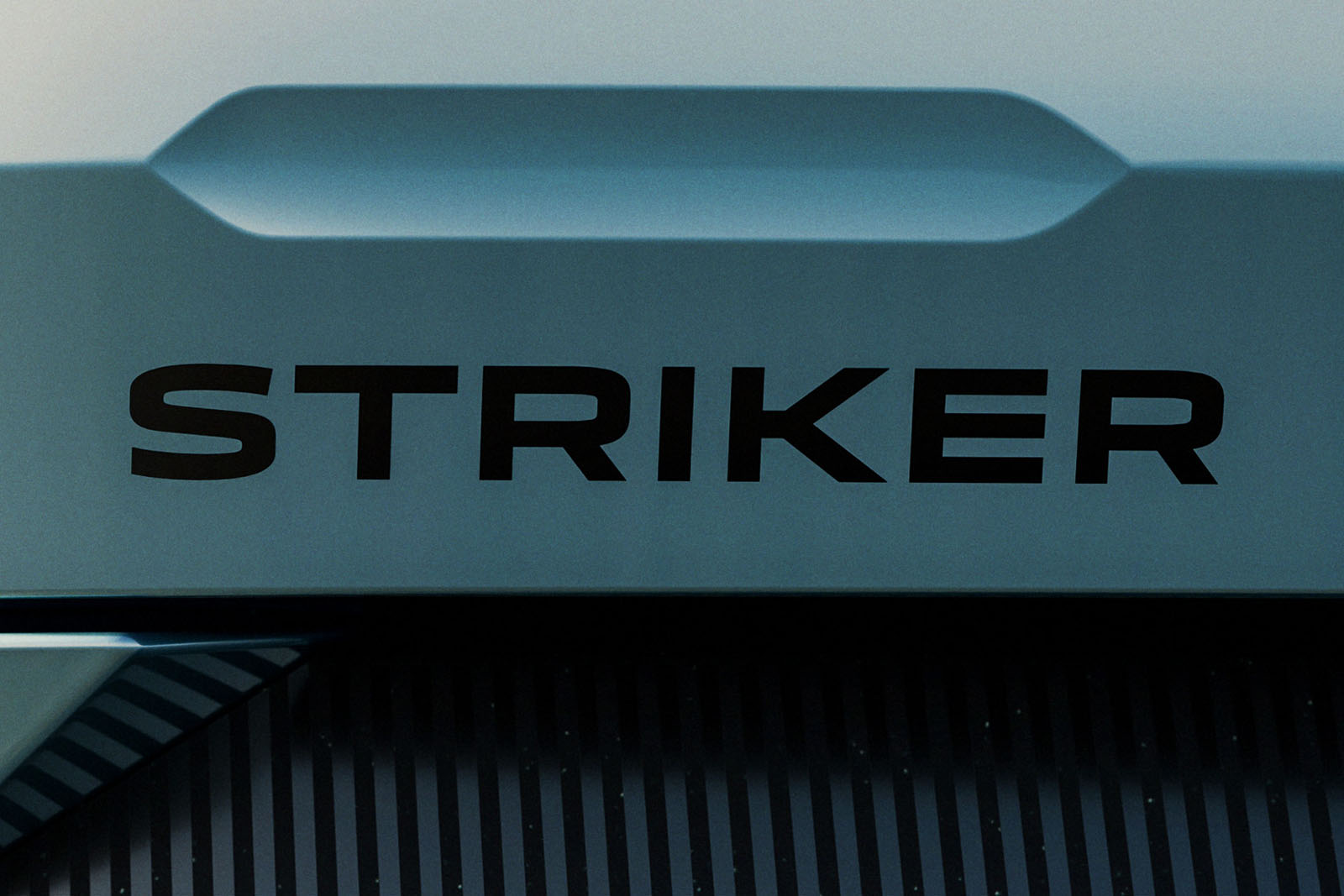
The automotive landscape is about to get a lot more interesting. Dacia, the Romanian brand known for its unbeatable value proposition, has officially confirmed the upcoming debut of the Dacia Striker. Set to be unveiled on March 10th, this rugged estate represents a bold leap forward for the brand as it aims to challenge established players like the Skoda Octavia. For years, Dacia has focused on minimalist, functional vehicles that prioritize affordability and reliability. With the Striker, the company is injecting a dose of outdoor-ready aesthetics into the practical estate car segment. By utilizing the modular platform that underpins the Bigster SUV, Dacia is creating a vehicle that is not only spacious but also built to handle the rigors of modern family life.
There is an interesting story behind the development of the Striker. During the initial design phase, Dacia engineers reportedly spent weeks in the Carpathian Mountains, observing how local families utilized their vehicles for both daily commutes and weekend excursions into rough terrain. They noticed a common frustration: existing budget estates were too delicate for the rocky trails, while SUVs were too expensive to run. The Striker was born from this specific observation, aiming to bridge the gap between a utilitarian workhorse and a lifestyle vehicle. It is this ground-up approach that makes the Striker feel like a product developed by real people for real people, rather than just another corporate exercise in market segmentation.
Exterior Design and Rugged Appeal
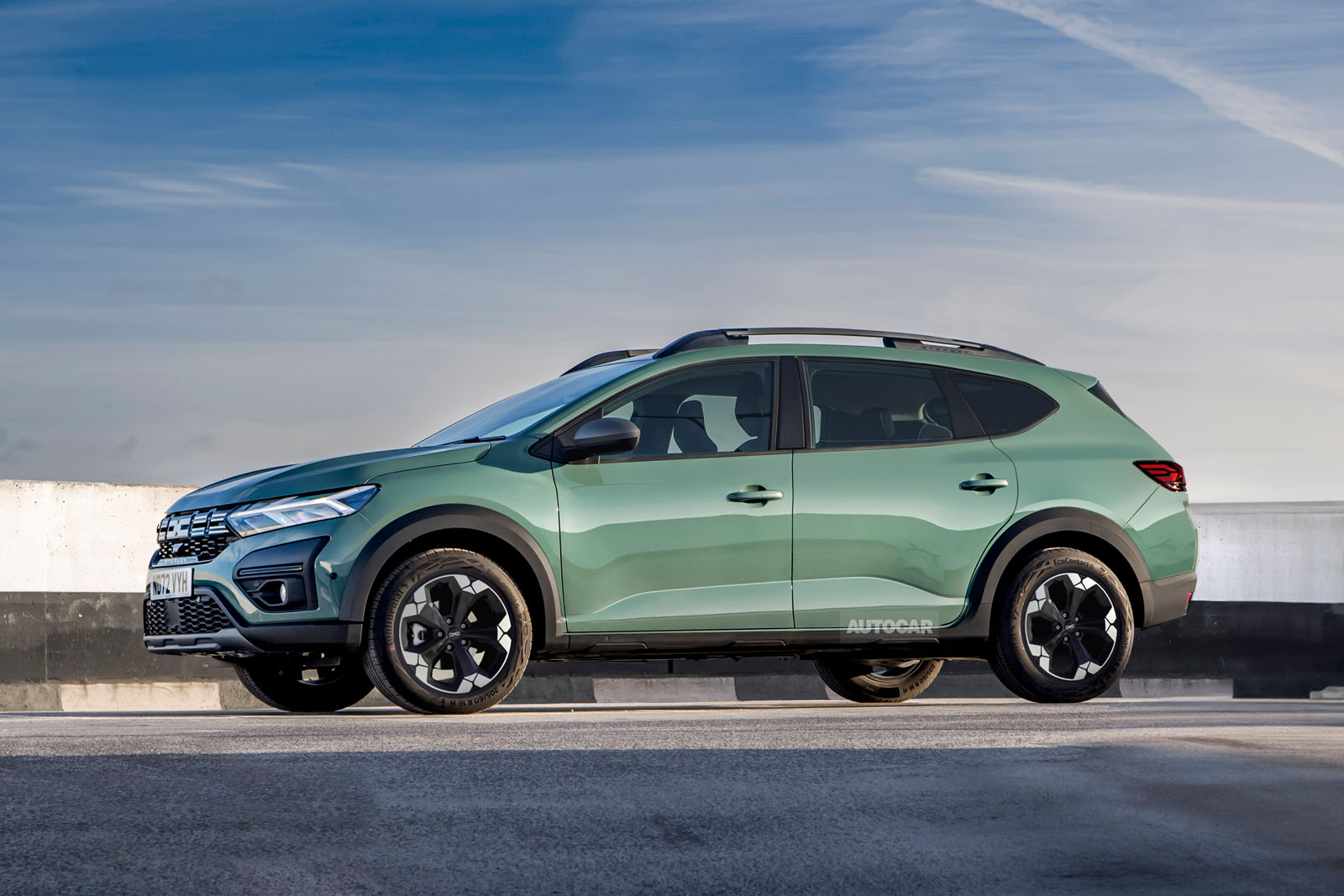
The Striker leans heavily into the design language first seen on the Bigster concept. You can expect a bold, upright front end with the signature Y-shaped LED lighting signatures that have become a hallmark of the brand. The plastic cladding around the wheel arches and lower body panels isn’t just for show; it hints at the car’s all-terrain capability and durable nature. The estate silhouette is elongated, promising a massive boot capacity that will make it a dream for families who frequently go on road trips. The roof rails look substantial, and the overall stance suggests a higher ground clearance compared to traditional family wagons. This is clearly a car designed for those who want the utility of an SUV without the associated costs or bulk.
Interior Comfort and Infotainment
Step inside the Dacia Striker, and you will find an interior that balances rugged durability with modern digital necessities. While Dacia keeps costs down by avoiding unnecessary luxury, the fit and finish have improved significantly in recent years. Expect a clean, driver-focused dashboard with a central touchscreen infotainment system that supports wireless Apple CarPlay and Android Auto. The cabin is designed to be a low-maintenance environment. Dacia’s commitment to clever packaging means that passengers in the rear will enjoy class-leading legroom and headroom. The materials used, while likely hard-wearing plastics, are expected to be tactile and built to survive years of heavy use, fitting the utilitarian ethos of the brand perfectly. Every button and switch is placed with ergonomic efficiency in mind, ensuring that the user experience remains simple and distraction-free, even on long journeys.
Performance and Powertrain
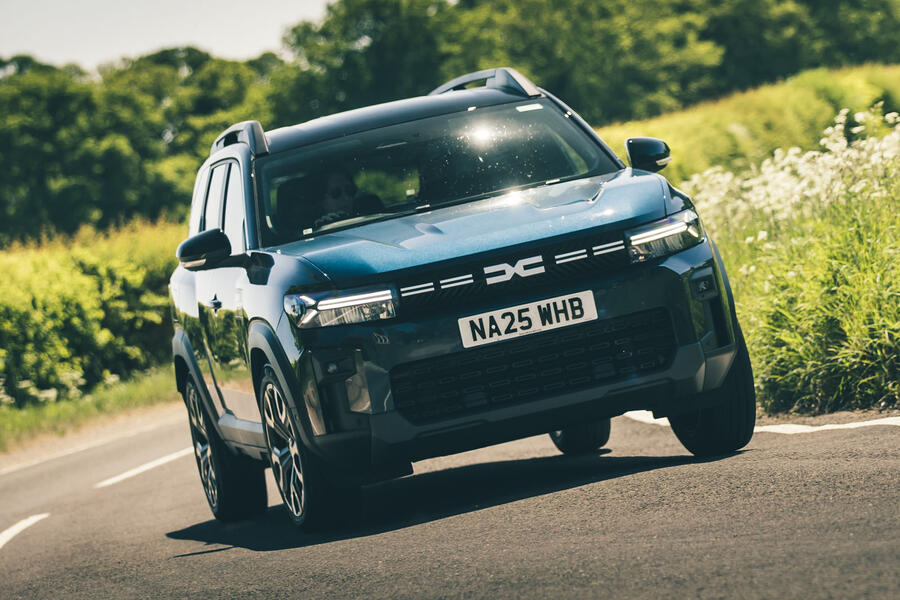
Under the hood, the Dacia Striker will likely benefit from the latest petrol-based powertrains derived from the Renault-Nissan-Mitsubishi alliance. While exact figures are pending, industry insiders expect a range of efficient turbocharged engines. There is also strong speculation regarding a mild-hybrid option, which would significantly improve fuel economy and lower emissions for urban commuters. The Striker is expected to offer a choice between a six-speed manual transmission and an automatic gearbox. The drive will likely be front-wheel-drive as standard, though a four-wheel-drive system might be offered for higher-spec models to bolster its off-road credentials. This powertrain strategy ensures that the car remains competitive in terms of both performance and running costs. The suspension tuning is being specifically calibrated for rough-road comfort, ensuring that whether you are on a highway or a gravel road, the ride remains composed and stable for all occupants.
Dacia’s move into the estate market is a strategic masterstroke. By targeting the £25,000 price point, the Striker undercuts almost every direct competitor. Historically, the Skoda Octavia has been the king of this segment, but the Striker offers a more adventurous, rugged aesthetic that appeals to a different demographic. It is not just about moving people; it is about enabling a lifestyle of adventure at a fraction of the cost. Dacia’s development story is one of smart engineering. By sharing components across the Renault Group, they avoid the massive R&D costs that drive up prices for other manufacturers. This economy of scale is exactly how they can deliver a feature-rich, modern estate while keeping the price accessible to the average family. It is a formula that has worked globally, and the Striker looks set to be their most successful estate model to date. As the automotive market shifts toward electrification, Dacia continues to provide a vital service by offering cost-effective internal combustion solutions that do not compromise on modern necessity or safety. The Striker serves as the perfect bridge for families who need space, durability, and a reasonable price tag above all else.
Vehicle Specifications
- Powertrain: Turbocharged petrol / Mild-hybrid options
- Output/Torque: 130hp – 150hp (estimated)
- Drivetrain: Front-wheel drive (4WD optional)
- Transmission: 6-speed manual or dual-clutch automatic
- Boot Space: 600+ liters of cargo capacity
- Curb Weight: Approx 1,350kg
- 0-100 km/h: Under 10 seconds
- Top Speed: 195 km/h
- Dimensions: 4.65 meters in length
- Wheelbase: 2.75 meters
Key Keywords
- Dacia Striker
- new Dacia estate
- budget family car
- Dacia Bigster platform
- affordable estate cars
- Dacia news 2024
* Source: Autocar