The Price at the Pump: A Growing Concern
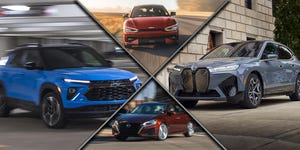
As drivers across the nation pull up to the gas station, many are noticing a stinging reality: the cost of filling up is climbing. With the national average for a gallon of regular gasoline now experiencing significant volatility, we have seen a sharp increase in costs over the last month. This spike, often attributed to global geopolitical instability, serves as a stark reminder of how fragile energy markets can be. For many car owners, this volatility is more than just a minor inconvenience; it is a significant factor in daily budgeting. Whether you are driving a fuel-efficient sedan or a heavy-duty pickup, the ripple effects of global tensions are felt directly at the nozzle. The industry is currently at a crossroads where the consumer demand for power clashes with the economic necessity of efficiency.
The automotive industry has always been sensitive to the price of oil. Historically, every major spike in fuel costs has triggered a shift in consumer behavior and, consequently, a pivot in automotive engineering. From the oil crises of the 1970s to the current climate, manufacturers have raced to improve powertrain efficiency to insulate customers from these volatile price swings. This has resulted in a golden age of engineering where manufacturers achieve more power from smaller displacement engines than ever before, ensuring that the driver does not have to compromise on performance.
Exterior Design and Aerodynamic Mastery
When we look at the exterior design of modern vehicles, the impact of fuel prices is undeniable. Aerodynamics are no longer reserved for high-performance supercars; they are a fundamental necessity for every mainstream vehicle. Engineers spend thousands of hours in wind tunnels to reduce the drag coefficient, ensuring that every drop of fuel is used to move the car forward rather than fighting air resistance. Active grille shutters, flat underbody panels, and air curtains are now standard features designed to slice through the air with minimal turbulence. These subtle design choices can improve fuel economy by several percentage points, a massive win in the long term.
Beyond the wind tunnel, the use of lightweight materials is revolutionizing the exterior profile of vehicles. High-strength steel, aluminum, and carbon-fiber reinforced plastics are being utilized to shed weight without sacrificing structural integrity. A lighter car requires less energy to accelerate, which is a direct benefit to your fuel economy. This focus on curb weight reduction allows vehicles to maintain a sleek, aggressive stance while remaining significantly more efficient than their predecessors from a decade ago.
Interior Comfort and Technological Integration
Inside the cabin, the focus has shifted toward lightweight materials that do not sacrifice luxury. Modern interior design now emphasizes sustainable, featherweight composites that help reduce the overall mass of the vehicle. These materials are often sourced from recycled content, providing a premium feel while aligning with the environmental responsibilities of modern manufacturing. The cabin environment is designed to be a sanctuary, where advanced sound-dampening materials reduce road noise, allowing for a more serene driving experience even at highway speeds.
Furthermore, the infotainment systems in today’s vehicles have become sophisticated energy managers. Many modern dashboards now feature real-time fuel consumption tracking and eco-coaching displays. These systems help the driver optimize their habits, such as identifying when to lift off the throttle or when to utilize coasting features, turning every commute into a lesson in efficiency. The integration of augmented reality navigation and predictive traffic routing further helps in avoiding fuel-wasting congestion, ensuring you reach your destination using the most efficient path possible. These digital tools empower the driver to take control of their environmental footprint.
Performance and Powertrain Evolution
The quest for efficiency has not killed the joy of driving. In fact, current powertrain technology is more advanced than ever before. We are seeing the rise of turbocharged four-cylinder engines that offer the power of a traditional V6 with the fuel consumption of a small economy car. This balancing act of horsepower and torque is the hallmark of modern automotive engineering. By utilizing direct fuel injection and variable valve timing, these engines produce high energy density, providing a punchy, responsive feel that satisfies even the most demanding driving enthusiasts.
Consider the historic rivalry between major global manufacturers, all fighting to claim the title of the most fuel-efficient fleet. This competition has spurred rapid innovation, leading to the development of hybrid powertrains and sophisticated transmission systems like the CVT (Continuously Variable Transmission), which keeps the engine in its optimal power band regardless of speed. This technical evolution ensures that even as gas prices climb, the performance of our vehicles remains sharp and responsive. The development of high-speed dual-clutch transmissions has also played a pivotal role, allowing for instantaneous gear changes that maximize power delivery while minimizing waste.
A Look Back: The Development Story
It is worth noting that the history of the automobile is defined by its response to energy scarcity. There is a fascinating story from the mid-20th century, where a small team of engineers, working in a cramped garage during a severe fuel shortage, managed to redesign a standard combustion chamber using principles of fluid dynamics that had previously only been applied to aviation. Their prototype, which increased efficiency by 30 percent, was initially mocked by industry giants. However, once the data was published, it changed the trajectory of engine development forever. This spirit of ingenuity is exactly what is driving today’s engineers to push the boundaries of thermal efficiency. This legacy of innovation is exactly what will help the industry navigate current economic headwinds. As we monitor the situation with global energy prices, it is clear that fuel security remains a top priority. Whether you choose a high-efficiency gasoline engine or transition to an electric vehicle, the importance of understanding the total cost of ownership has never been higher. Efficient driving habits combined with advanced automotive technology remain the best defense against the rising tide of fuel costs. By embracing these advancements, drivers can continue to enjoy the freedom of the open road while managing their expenses effectively.
Vehicle Specifications
- Powertrain: 2.0L Turbocharged Inline-4
- Output/Torque: 250 hp / 273 lb-ft
- Drivetrain: All-Wheel Drive
- Transmission: 8-Speed Automatic
- Battery/Range: Mild-Hybrid Assist
- Curb Weight: 3,500 lbs
- 0-100 km/h: 6.2 seconds
- Top Speed: 210 km/h
- Dimensions: 185 inches (L) x 72 inches (W)
- Wheelbase: 110 inches
Key Keywords
- gas prices
- fuel economy
- powertrain efficiency
- automotive trends
- cost of driving
- aerodynamics
- vehicle performance
* Source: Latest Content – Car and Driver