A Modern Classic Emerges
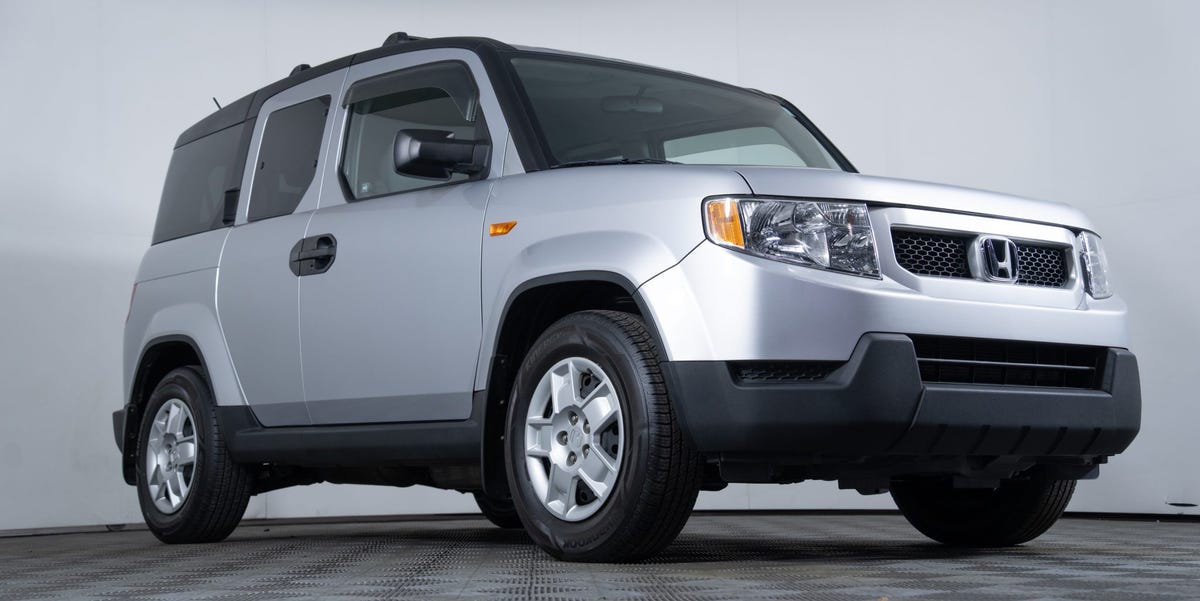
For those of us who spent the early 2000s admiring the daring, utilitarian design language of Honda, the Honda Element remains a high-water mark of automotive personality. Recently, a stunning 2011 example has appeared on the auction market, and it is effectively a brand-new vehicle. With its box-fresh condition and remarkably low mileage, this SUV is a testament to the enduring appeal of one of the most versatile vehicles ever mass-produced. The Element was never meant to be a luxury cruiser; it was designed as a rolling dormitory for the active lifestyle crowd. Seeing this 2011 model, which represents the final year of production, feels like stepping directly into a Honda dealership showroom from over a decade ago. The utility-focused design remains as relevant today as it was when the model first debuted in 2003.
There is a fascinating story regarding its development: Honda engineers actually spent time observing college students and outdoor enthusiasts at various beaches and campgrounds, noting how they struggled to fit surfboards and muddy mountain bikes into standard sedans. This observational research led to the creation of the modular interior that defines the vehicle. The design team intentionally avoided traditional carpeting, opting instead for a urethane floor that could be hosed out. This level of pragmatism is rarely seen in modern automotive manufacturing, where aesthetics often trump pure, unadulterated utility.
Exterior Design: The Box That Changed Everything
The exterior of the Honda Element is instantly recognizable, defined by its boxy silhouette and rugged, plastic-clad lower body panels. This specific model showcases the clean lines and distinct clamshell tailgate that made loading cargo a breeze. The design was famously inspired by a lifeguard station, and it has aged remarkably well compared to the generic, jellybean-shaped crossovers that dominate the roads today. Its suicide doors—officially referred to as rear-hinged doors—are a signature element that provided an incredibly wide, pillarless opening for passengers and gear. This design choice was both controversial and brilliant, allowing owners to load bulky items like mountain bikes or surfboards without the obstruction of a B-pillar. The aerodynamic profile was never its strong suit, but the sheer functionality of the shape created a cult following that persists to this day.
Interior Utility and Clever Packaging
Inside, the Element was built to be abused, not pampered. The floor is covered in a durable, urethane-coated material that can be easily hosed down after a muddy hike or a messy camping trip. The seats feature water-resistant fabric, which was a revolutionary touch for a family-oriented crossover at the time. You will not find plush leather or soft-touch plastics here, but that was never the point. The versatile seating configuration allows the rear seats to be folded up, removed entirely, or laid flat to create a makeshift bed. Honda designers were clearly thinking about the weekend warrior, and the interior layout maximizes every cubic inch of space. The ergonomic dashboard is straightforward and utilitarian, housing simple, tactile controls that feel robust and long-lasting. Every knob and switch is designed to be operated even while wearing gloves, a detail that highlights the vehicle’s intent as an adventure-ready machine.
Infotainment and Tech from a Simpler Era
If you are looking for massive touchscreens and gesture control, the 2011 Honda Element will certainly underwhelm you. However, for those who value minimalist driving, the infotainment system is a refreshing return to basics. It features a simple AM/FM/CD audio system that is easy to navigate while driving. There is no complex menu diving required to adjust the climate or the music. While it lacks modern smartphone integration like Apple CarPlay or Android Auto, the cabin serves as a digital-free sanctuary. The audio quality, even by 2011 standards, was surprisingly punchy, often featuring a subwoofer to round out the sound. This focus on analog functionality is exactly why many enthusiasts are now seeking out older, simpler vehicles that allow them to focus on the road ahead rather than a screen.
Performance and Powertrain: The Reliable Heart
Under the hood of this pristine 2011 model sits the legendary 2.4-liter i-VTEC inline-four engine. This powertrain is widely regarded as one of Honda’s most reliable engines, capable of racking up hundreds of thousands of miles with nothing more than routine maintenance. It provides a respectable 166 horsepower, which is perfectly adequate for urban commuting and highway cruising. The five-speed automatic transmission shifts with a predictable, smooth cadence, delivering power to the front wheels or the available Real Time 4WD system. Handling is surprisingly nimble for a vehicle with such a high center of gravity, thanks in part to the stiff chassis architecture shared with the contemporary Honda CR-V. While not a performance machine, the powertrain is tuned for consistent reliability and everyday usability, ensuring that the vehicle remains a dependable partner for long-distance road trips or daily errands.
The longevity of this powertrain is well documented; many owners report reaching the 300,000-mile mark without major internal failures. By utilizing a timing chain rather than a belt, the engine requires less frequent major service, which is a significant advantage for those looking to keep the vehicle for a decade or more. The Real Time 4WD system is also an unsung hero, as it operates seamlessly in the background, engaging only when the front wheels lose traction, which maintains fuel efficiency during normal driving conditions. This combination of mechanical simplicity and robust engineering makes the 2011 Element a standout in the used car market for anyone prioritizing long-term ownership costs over cutting-edge performance metrics.
Vehicle Specifications
- Powertrain: 2.4L i-VTEC Inline-4
- Output/Torque: 166 hp / 161 lb-ft
- Drivetrain: Real Time 4WD or FWD
- Transmission: 5-speed automatic
- Fuel Economy: Approximately 20/25 mpg city/highway
- Curb Weight: Approximately 3,500 lbs
- 0-60 mph: Approximately 9.5 seconds
- Dimensions: 169.3 inches length
- Wheelbase: 101.4 inches
Key Keywords
- 2011 Honda Element
- used Honda Element
- boxy SUV
- Honda crossover
- reliable used cars
- adventure vehicle
* Source: Latest Content – Car and Driver