The Evolution of the Family Hauler
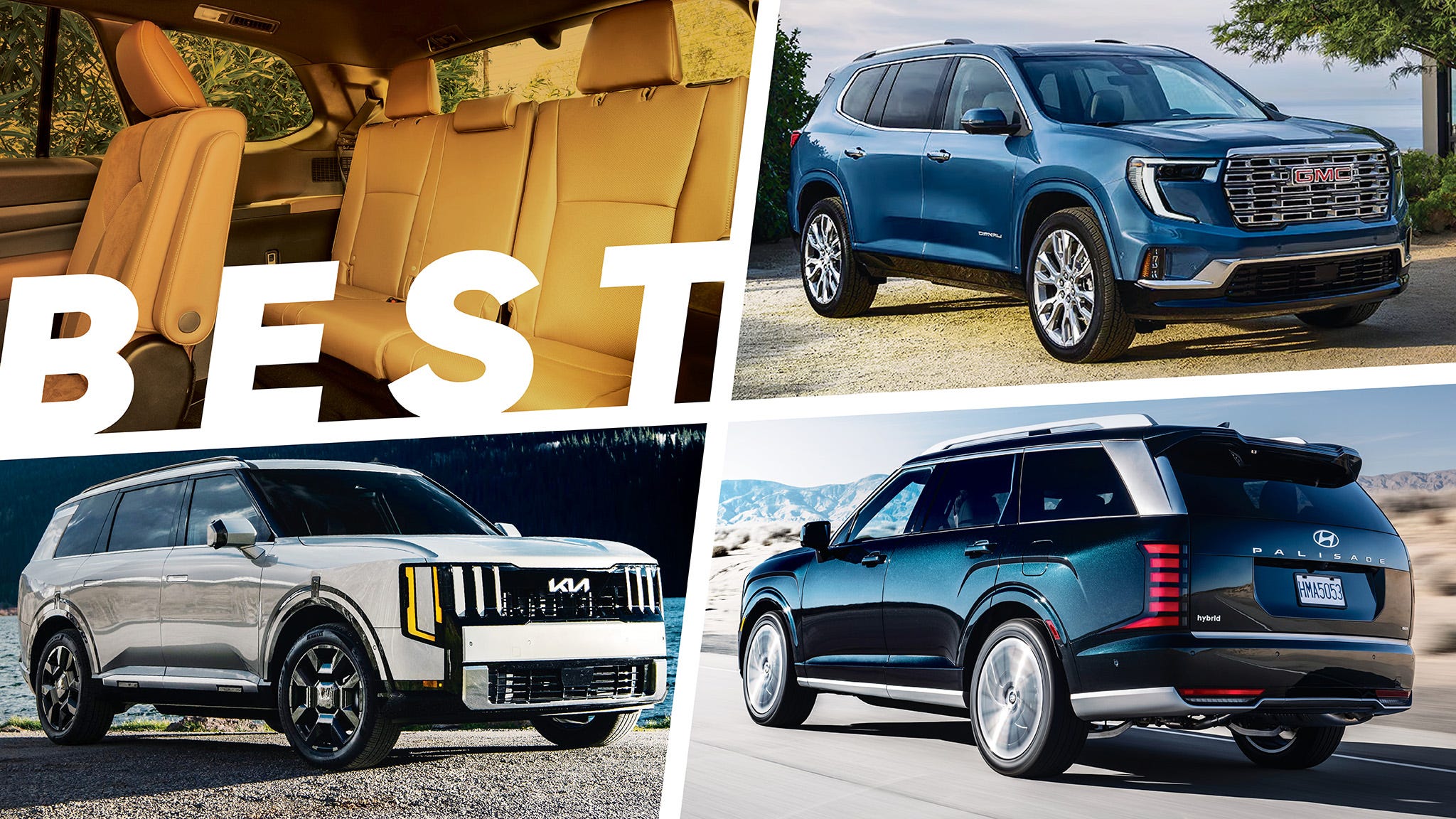
The midsize 3-row SUV segment has evolved into the most competitive battleground in the automotive industry. As modern families transition away from the traditional minivan, the demand for uncompromised versatility has reached an all-time high. For 2026, manufacturers have prioritized smart packaging, electrified powertrains, and premium cabin experiences to win over discerning buyers. It is a fascinating era where engineering excellence meets daily life demands.
Looking back at the history of this segment, we see a shift from heavy, truck-based behemoths to refined unibody platforms. This transition has allowed for a smoother ride, improved fuel efficiency, and superior handling without sacrificing the ability to transport seven or eight passengers comfortably. The current landscape is the result of a decade of intense refinement, balancing heavy-duty capability with refined daily drivability.
Design and Exterior Presence
The 2026 model year introduces bold, aggressive styling cues that command respect on the open highway. Designers are moving toward sculpted body lines and integrated LED lighting signatures that define brand identity from a distance. These vehicles are not merely utilitarian; they are designed to look sophisticated in the school pickup line while remaining rugged enough for weekend adventures. The exterior proportions are meticulously calculated to balance road presence with aerodynamic efficiency.
Aerodynamics play a pivotal role in modern SUV design as engineers strive to reduce drag to improve range and fuel economy. You will notice lower rooflines, active grille shutters, and flush-mounted door handles becoming standard features. These subtle exterior enhancements contribute significantly to the reduced cabin noise that characterizes today’s luxury-leaning midsize market, creating a serene environment for the whole family.
Interior Comfort and Utility
Stepping inside, you will immediately notice that interior designers have prioritized ergonomic excellence and high-quality materials. The best 3-row SUVs of 2026 feature clever one-touch folding mechanisms for the second row, making third-row access easier than ever. There is a clear industry trend toward sustainable luxury, with many manufacturers incorporating high-quality synthetic leathers and recycled textiles that offer a premium tactile experience.
Cargo management remains the primary metric for success. Even with all three rows occupied, the top-rated models provide sufficient room for grocery runs or essential gear. When you fold the rear rows flat, you unlock a massive cargo floor capable of handling sports equipment, DIY supplies, or bulky furniture. One notable story from the industry involves a lead designer who insisted on testing the cargo space by loading a full-sized mountain bike without removing the wheels, proving that these vehicles are built for actual adventure.
Infotainment and Connectivity
The digital cockpit is now the front line of the automotive user experience. By 2026, high-definition touchscreens spanning over 14 inches have become the industry gold standard. These systems are deeply integrated with wireless Apple CarPlay and Android Auto, ensuring that your digital lifestyle is always synchronized with your vehicle. The interface is faster, more intuitive, and designed to minimize distraction while driving.
Beyond the primary display, connectivity is paramount. We are seeing a widespread influx of over-the-air (OTA) updates that allow your SUV to gain new features, improved software, and enhanced security patches without ever needing a trip to the dealership. Advanced voice recognition systems now utilize natural language processing, allowing occupants to control climate, navigation, and entertainment via simple, conversational commands, keeping eyes safely on the road.
Performance and Powertrain Dynamics
The era of the sluggish family SUV is officially over. The 2026 lineup offers a diverse range of powertrain options, including punchy turbocharged four-cylinders, robust V6 engines, and high-torque hybrid systems. These engines are paired with sophisticated transmissions—often 8-speed or 10-speed automatics—that ensure seamless power delivery. The focus is on providing effortless acceleration, even when the vehicle is fully loaded with passengers and cargo.
For those who frequently face challenging terrain, advanced all-wheel-drive (AWD) systems are standard or highly recommended on almost every model. These systems employ sophisticated torque vectoring to provide superior traction on slick surfaces, offering parents immense peace of mind during inclement weather. The handling is surprisingly agile, thanks to tuned suspension geometries that effectively minimize body roll during tight cornering, ensuring that the driver feels connected to the road.
The Rivalry That Drives Innovation
The fierce rivalry between established legacy manufacturers and emerging electric-first companies is accelerating the industry toward rapid innovation. This competition has forced manufacturers to shorten their product development cycles, which is a massive win for the consumer. It means faster implementation of advanced safety features, such as automatic emergency braking, blind-spot monitoring, and lane-keep assist, which are now becoming baseline expectations rather than optional luxuries.
We are also witnessing a major push toward electrification, with several manufacturers introducing plug-in hybrid (PHEV) variants that offer significant electric-only range. This is perfect for the daily school run, allowing you to commute without burning a drop of gasoline while retaining the hybrid engine for long-distance road trips. This dual-mode capability is exactly what modern families require to balance environmental consciousness with the freedom of long-range travel.
Vehicle Specifications
- Powertrain: Turbocharged 2.4L I-4 / 3.5L V6 Hybrid
- Output: 270-350 hp / 310-400 lb-ft torque
- Drivetrain: Front-wheel drive or Intelligent All-wheel drive
- Transmission: 8-speed automatic or e-CVT
- Battery/Range: 1.5 kWh (Hybrid) / 14-18 kWh (PHEV)
- Curb Weight: 4,100 – 4,800 lbs
- 0-100 km/h: 6.5 – 7.8 seconds
- Top Speed: 190 – 210 km/h (electronically limited)
- Dimensions: 4,950 mm L x 1,980 mm W x 1,750 mm H
- Wheelbase: 2,900 mm
Key Keywords
- best midsize 3-row SUVs
- 2026 SUV guide
- family SUV comparison
- new SUV features
- midsize SUV performance
- automotive industry reviews
* Source: motortrend.com