Revolutionizing Efficiency Without the Plug
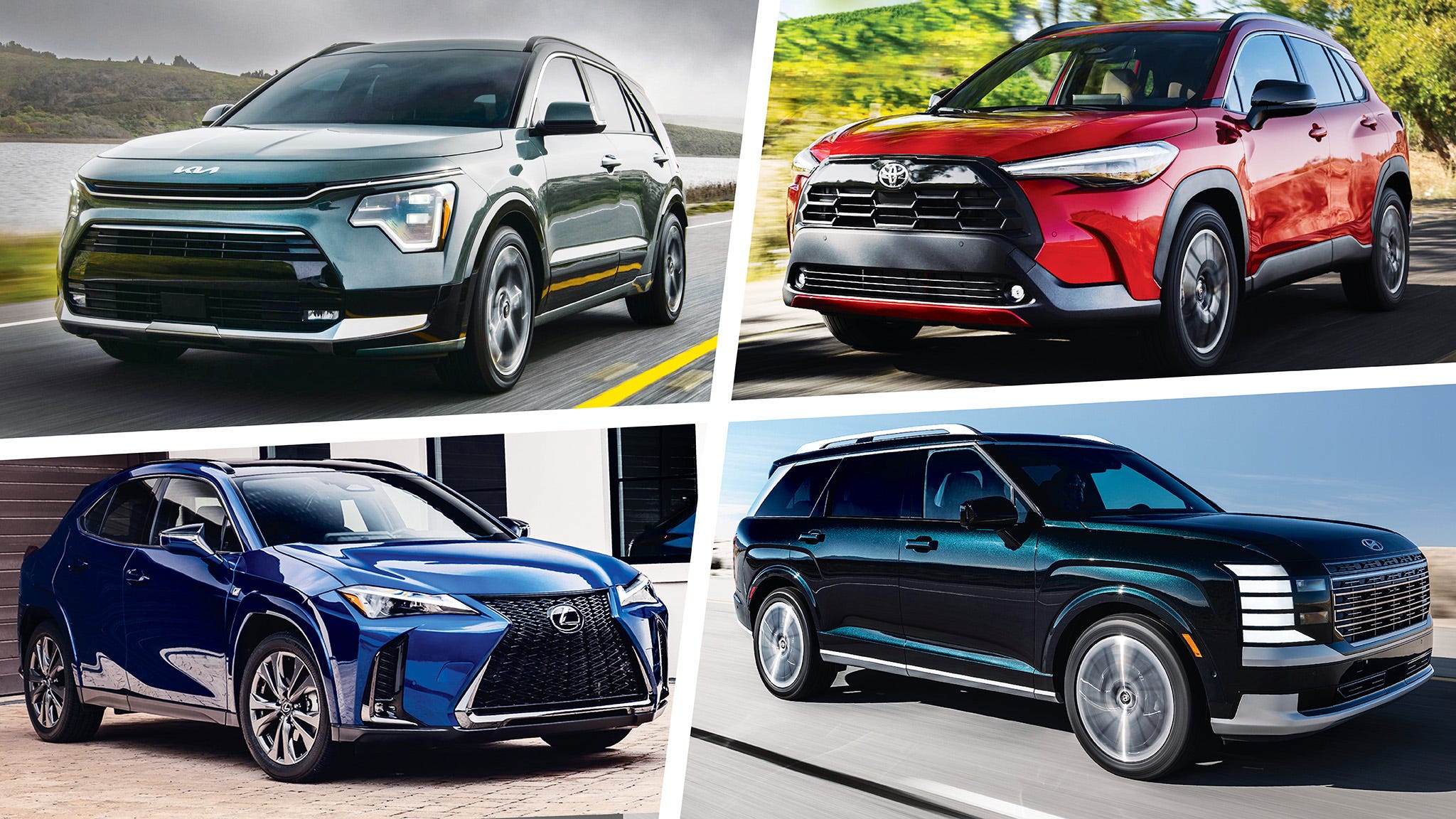
In an era dominated by the push toward full electrification, many drivers still find themselves tethered to the convenience of the traditional gas pump. Fortunately, the 2026 automotive landscape is thriving with hybrid-electric SUVs that prioritize fuel economy without requiring a wall outlet. These vehicles offer the perfect bridge for those not yet ready for the infrastructure demands of a pure EV. The engineering behind these fuel-efficient SUVs has reached a fever pitch. Manufacturers are now utilizing sophisticated gas-electric powertrains that capture kinetic energy during braking, storing it in compact batteries to assist the internal combustion engine. This technology is not just about saving pennies at the pump; it’s about extending your range for those long cross-country adventures.
Consider the story of a family driving from Seattle to San Diego; in previous years, they would have budgeted for six major fuel stops. With the 2026 fleet, the increased thermal efficiency and refined energy management allow them to complete the journey with only two stops, proving that the modern hybrid is the ultimate road-trip companion. This shift is fundamental to how we perceive travel, removing the range anxiety associated with electric vehicles while providing the environmental benefits that modern buyers demand.
The Evolution of Hybrid Technology
The rivalry between major Japanese and Korean manufacturers has pushed the boundaries of what a hybrid powertrain can achieve. For decades, the industry looked to the Toyota Prius as the benchmark, but today, that technology has trickled down into massive SUVs. This cross-brand competition has forced engineers to shave weight, improve aerodynamic efficiency, and refine CVT transmissions for seamless power delivery. The integration of AI-driven energy management allows these vehicles to analyze terrain in real-time, adjusting electric motor engagement to optimize consumption based on upcoming elevation changes.
Exterior Design and Aerodynamic Prowess
Efficiency in 2026 isn’t just about the engine; it’s about how the vehicle cuts through the air. You’ll notice that the top contenders in our list feature active grille shutters and streamlined profiles. These design choices are not merely aesthetic; they are critical for achieving a low drag coefficient, which is essential for maximizing highway MPG. From the sweeping curves of the latest Toyota RAV4 Hybrid to the more angular, rugged posture of the Honda CR-V Hybrid, these SUVs prove that you don’t have to sacrifice style for utility. Exterior lighting now features LED technology that reduces electrical load, further squeezing every ounce of energy from the fuel tank while providing superior visibility in adverse weather conditions. The use of lightweight composite materials in the body panels further reduces the curb weight, allowing for smaller, more efficient engines to perform with the vigor of larger displacement motors.
Interior Comfort and Infotainment
Stepping inside these vehicles, you are greeted by cabins designed for the long haul. Manufacturers have pivoted toward sustainable materials and ergonomic layouts that keep passengers comfortable for hours. The infotainment systems have also seen a massive upgrade, featuring high-resolution touchscreens and wireless smartphone integration as standard across most trims. Voice-activated climate control and advanced driver-assistance systems (ADAS) ensure that the driver remains focused on the road while enjoying a high-tech environment. Connectivity is no longer an afterthought; it is a core component of the modern SUV experience. Whether it’s real-time traffic updates or adaptive cruise control that helps maintain efficiency, the technology works in tandem with the engine to provide a smooth, stress-free commute. The cabin sound-deadening materials have also improved, utilizing active noise cancellation to provide a serene environment that rivals luxury sedans, ensuring that even the longest commutes remain pleasant and relaxing.
Performance and Powertrain Dynamics
Don’t let the word ‘hybrid’ fool you into thinking these vehicles are sluggish. Modern torque-vectoring systems and high-output electric motors provide instant throttle response. This makes overtaking on the highway safer and more exhilarating than ever before. The powertrain integration is so seamless that most drivers rarely notice the transition between electric-only operation and gas engine activation. The all-wheel-drive (AWD) systems found in these 2026 models are more intelligent than their predecessors. They can shift power to individual wheels in milliseconds, ensuring traction in adverse weather conditions without significantly impacting fuel economy. This level of mechanical refinement is what sets the current generation of hybrids apart from the rudimentary models of the past. The regenerative braking system has also been tuned to offer a more natural pedal feel, removing the ‘grabby’ sensation that plagued early hybrid models and allowing for a linear, predictable deceleration experience that inspires confidence in all driving conditions.
The Long-Term Value Proposition
Investing in a high-efficiency SUV is a smart financial move. With rising fuel costs, the premium paid for a hybrid trim is often recouped within the first few years of ownership. Beyond the savings, the resale value of these vehicles remains exceptionally high due to the universal demand for reliable, fuel-sipping transportation. When you look at the maintenance schedules, hybrids often require less frequent brake pad replacements due to regenerative braking, which uses the electric motor to slow the vehicle down. This reduces wear and tear on traditional friction components, leading to lower long-term service costs for the savvy owner. Furthermore, the warranty coverage on the hybrid battery components has been extended by most manufacturers, providing peace of mind for the second and third owners. This long-term durability, combined with the inherently robust nature of naturally aspirated engines paired with electric motors, makes these vehicles some of the most reliable assets on the road today. For the average family, the 2026 lineup offers the best of both worlds: the spacious cargo capacity of a traditional SUV combined with the stellar fuel economy that was once reserved for compact sedans. It is the ultimate compromise for the modern consumer who values time, money, and environmental impact without compromising on space or utility.
Vehicle Specifications
- Powertrain: Hybrid Gasoline-Electric (Parallel System)
- Output/Torque: 210 to 265 hp; 250 lb-ft torque average
- Drivetrain: Intelligent AWD with torque vectoring
- Transmission: Electronic Continuously Variable Transmission (eCVT)
- Battery/Range: 1.5 – 2.0 kWh Lithium-ion (Self-charging)
- Curb Weight: 3,650 to 4,300 lbs
- 0-100 km/h: 7.2 to 8.4 seconds
- Fuel Efficiency: 38 – 45 MPG (Combined cycle)
- Wheelbase: 106 to 116 inches
- Safety: Standard 360-degree ADAS suite
Key Keywords
- best gas mileage SUVs
- hybrid SUVs 2026
- fuel efficient SUVs
- non-plug-in hybrids
- best hybrid SUV
- automotive efficiency
- SUV comparison
* Source: motortrend.com