If you have spent any time in online forums or chatting with automotive enthusiasts, you have likely heard the pervasive claim: electric vehicles are notorious tyre-killers. With their instant torque and significant kerb weight, the narrative suggests that EV owners are destined for frequent, expensive trips to the tyre fitters. But is this really the case, or is it just another myth surrounding the modern electric revolution? As an automotive journalist who has spent decades testing everything from vintage sports cars to the latest battery-electric vehicles (BEVs), I have seen the industry evolve from the roar of high-revving V8s to the near-silent, rapid acceleration of electric motors. While the laws of physics are immutable, our ability to manage them has changed drastically. Let’s look at the intersection of tyre technology and powertrain engineering to understand what is actually happening beneath your wheels.
The primary reason for the concern is fundamental physics: weight. Because of the massive lithium-ion battery packs, EVs are significantly heavier than their petrol or diesel counterparts. This increased mass puts more downward pressure on the tyre contact patch, which inherently increases friction. When you combine that extra weight with the instantaneous torque delivery of an electric motor, it is easy to see how a heavy foot can turn expensive rubber into smoke in a matter of miles. However, it is not just about the hardware; it is about how the car manages that power. Modern traction control systems in electric cars are light-years ahead of the mechanical systems of the past. These electronic stability programs monitor wheel slip at a microsecond level, essentially micro-managing the power delivery to prevent the very tyre spin that causes premature wear. By modulating power to each wheel independently, the car acts as a guardian of your tread.
The exterior design of modern EVs is often sculpted for aerodynamic efficiency, but the wheels themselves are a marvel of engineering. Manufacturers have developed specific EV-rated tyres designed to handle the unique demands of high-torque powertrains. These tyres feature specialized tread compounds that are both durable and optimized for low rolling resistance, which helps extend the vehicle‘s range while resisting the forces of rapid acceleration. When you inspect these tyres, you might notice reinforced sidewalls and unique tread patterns. These aren’t just for show; they are built to support the higher gross vehicle weight while maintaining optimal grip during cornering. Choosing the right aftermarket replacement is crucial if you want to avoid sacrificing the handling characteristics engineered by the factory. Neglecting these specifications can lead to a noticeable drop in efficiency and safety.
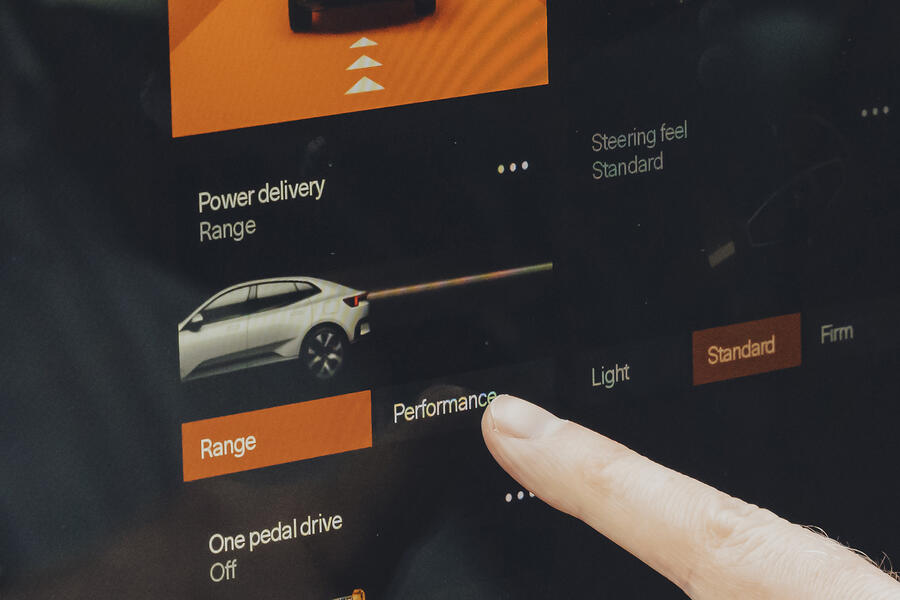
Stepping into the interior or cabin of a modern EV, you realize the environment is designed for a different kind of driving experience. The infotainment system often provides deep-dive data on energy consumption and driving efficiency. Smart drivers use these metrics to monitor their driving style, opting for regenerative braking to slow the vehicle down without relying solely on the friction brakes. This not only preserves the brake pads but also reduces the thermal load on the tyres over long distances. Inside, the lack of engine noise means you are more likely to hear the road surface, which provides immediate feedback on how your tyres are interacting with the tarmac. It is a more immersive, data-driven experience that helps you become a better, more conscious driver.
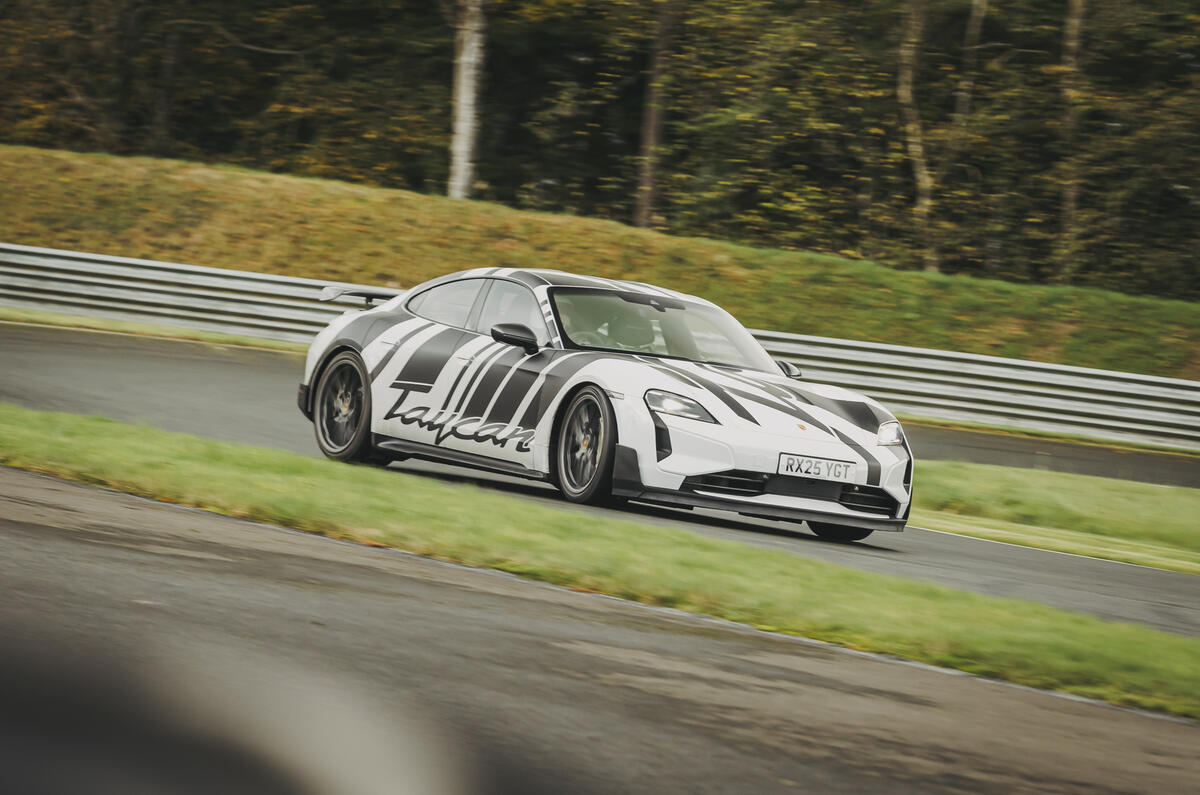
The performance and powertrain dynamics are where the real excitement lies. The powertrain in a modern EV is a marvel of efficiency, offering 100% of available torque from a standstill. This linear acceleration is exhilarating, but it is also a test of your restraint. I recall a story about a test driver who took a high-performance EV to a track day; he managed to burn through a set of rear tyres in just a few laps by over-relying on the car’s launch control. He learned the hard way that while the car is capable of brutal acceleration, the tyre life is ultimately a factor of how the driver manages that power. The lesson here is that an EV is a balanced machine, not a disposable one. By maintaining proper tyre pressure and utilizing the vehicle‘s drive modes to limit peak torque in daily traffic, you can achieve tyre life comparable to any traditional luxury sedan.
It is worth remembering that electric cars are not a modern invention. In the early 20th century, companies like Baker Motor Vehicle Company produced electric cars that were quite popular. Back then, the limiting factor was battery chemistry, not tyre wear. Today, the rivalry between EV manufacturers has shifted toward software integration and battery density, proving that the industry has learned from its past while looking toward a sustainable future. While it is true that a lead-footed driver can destroy any tyre, the modern EV is designed to be a sophisticated, efficient machine. Don’t let the fear of accelerated wear stop you from enjoying the benefits of electrification. As long as you respect the weight and the torque, your tyres will serve you well for thousands of trouble-free miles.
Vehicle Specifications
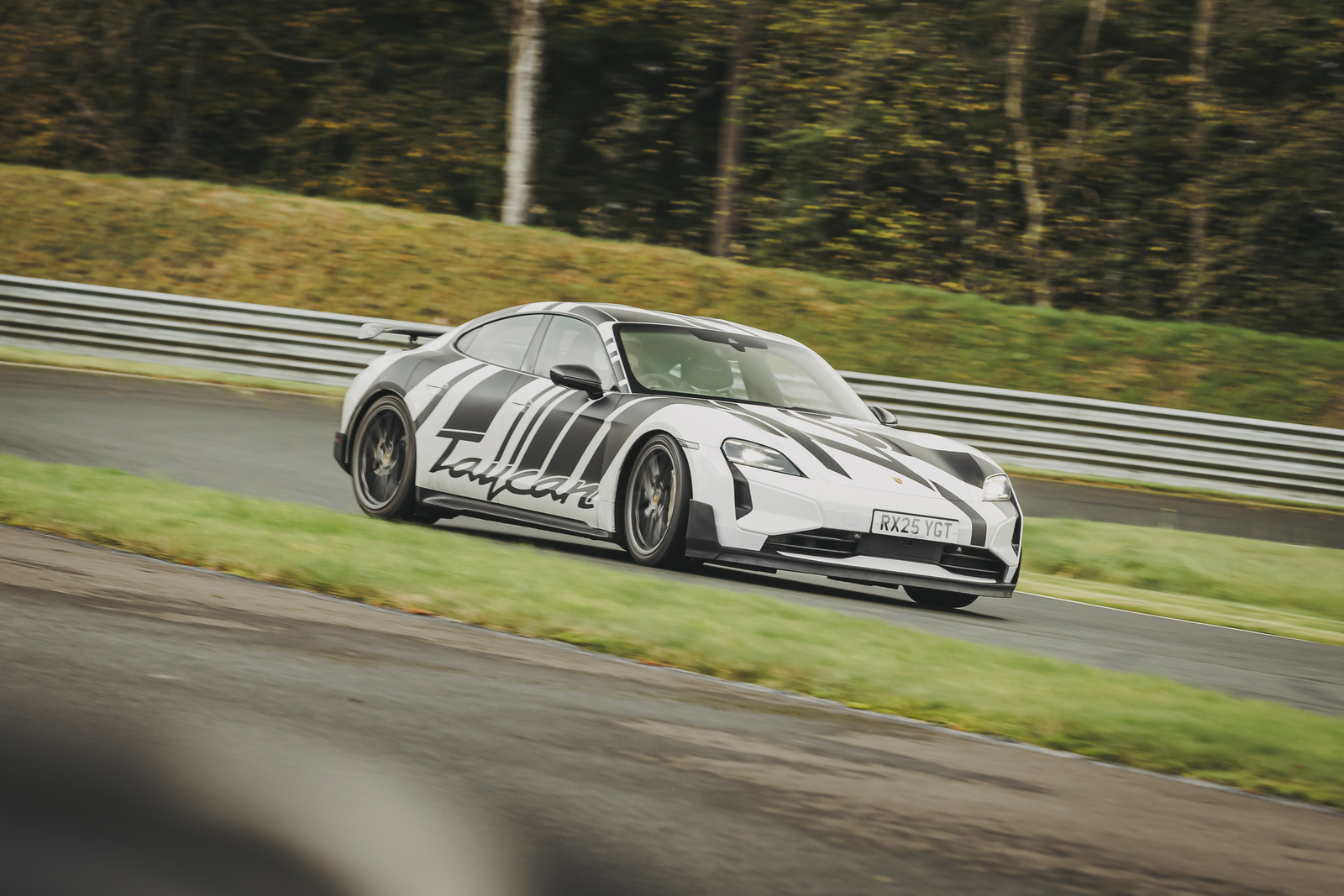



- Powertrain: Dual-motor all-wheel drive
- Output: 400kW / 536hp
- Torque: 650Nm available from 0 RPM
- Drivetrain: Permanent magnet synchronous motors
- Transmission: Single-speed reduction gear
- Battery Capacity: 95kWh lithium-ion
- Range: 500km WLTP cycle
- Curb Weight: 2,200kg
- 0-100 km/h: 3.8 seconds
- Top Speed: 250 km/h
- Dimensions: 4,900mm (L) x 1,950mm (W) x 1,450mm (H)
- Wheelbase: 2,950mm
Key Keywords

- EV tyre wear
- electric vehicle maintenance
- tyre pressure
- instant torque
- EV performance
- tyre compound
- electric car weight
* Source: Autocar