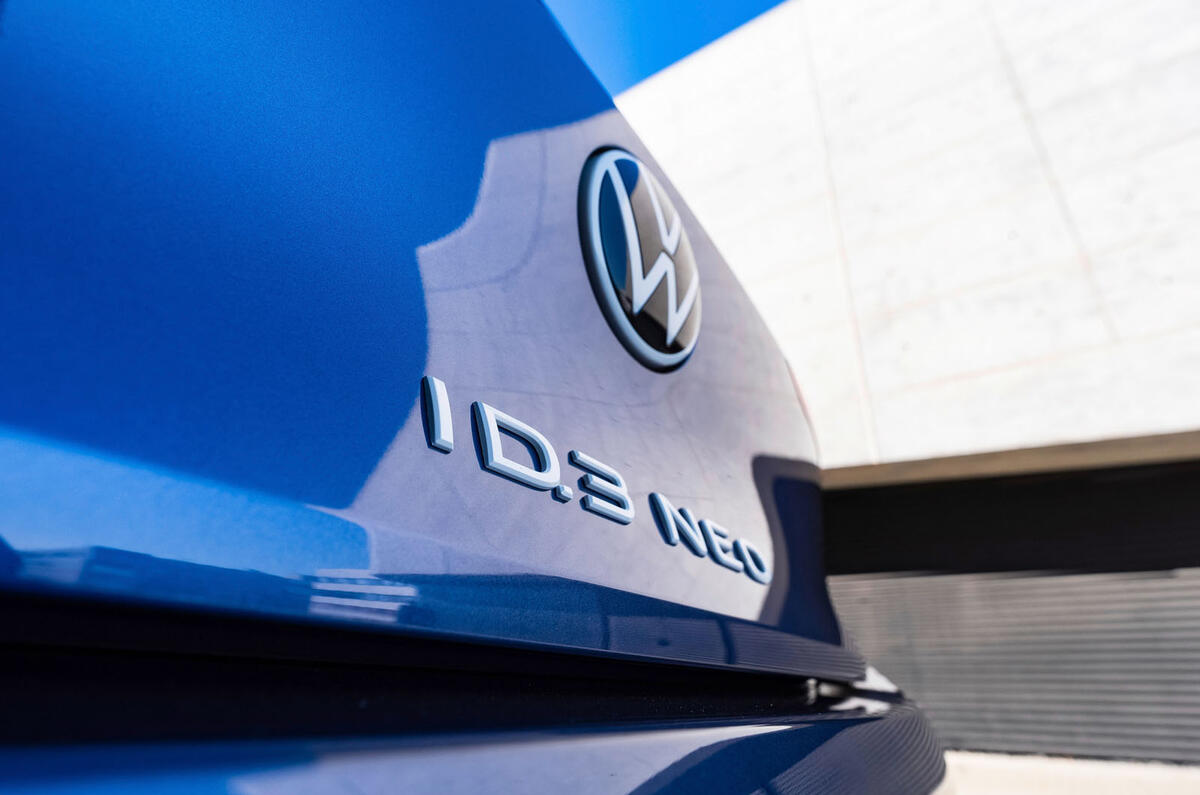
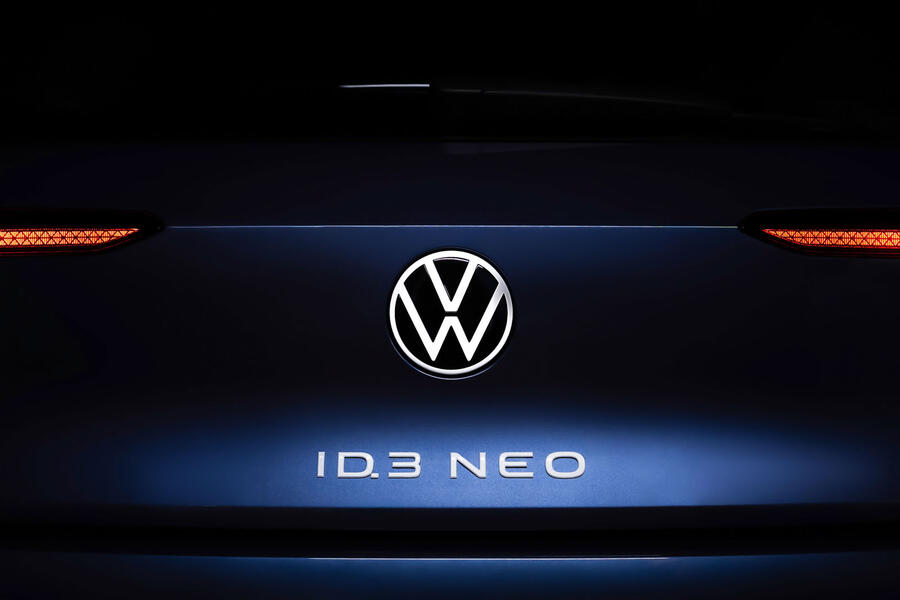
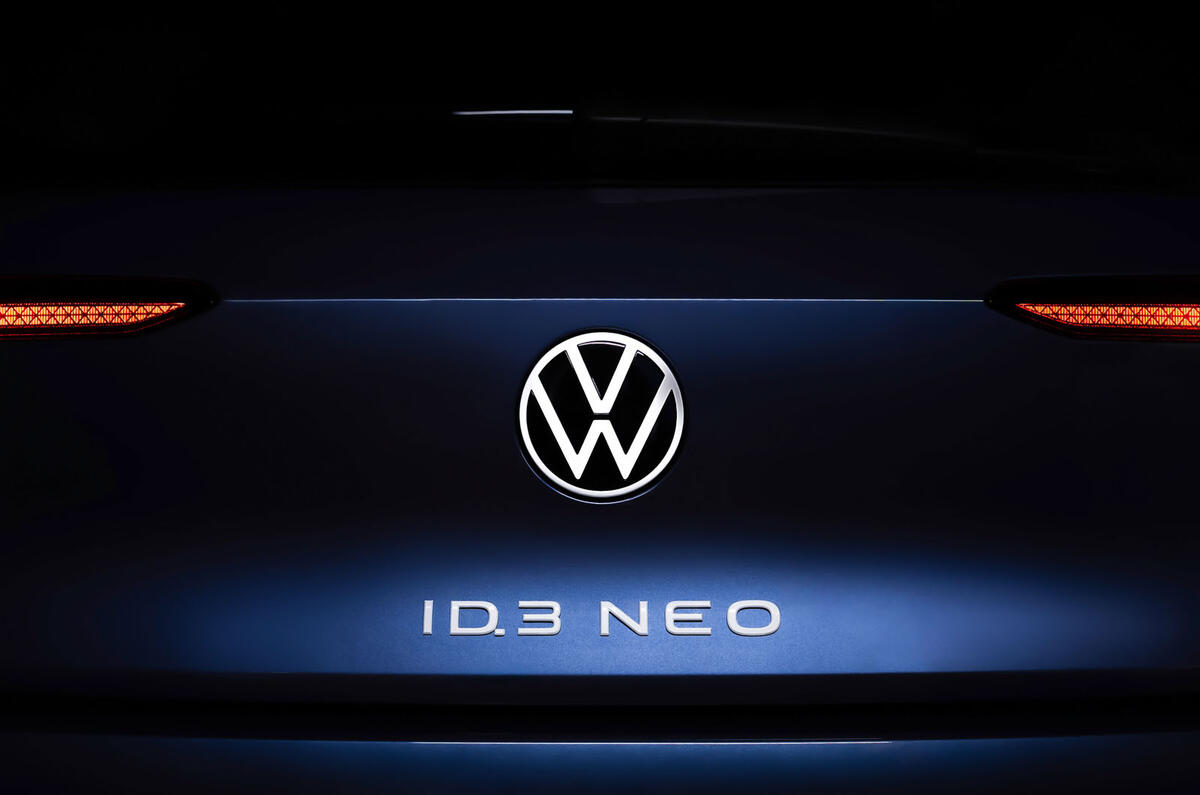
The automotive landscape is undergoing a profound transformation, and Volkswagen is positioning itself to lead this shift with a strategic pivot. After serving as the brand’s bespoke electric pioneer since 2021, the Volkswagen ID.3 is undergoing a significant evolution. Recent reports confirm that the popular electric hatchback will shed its alphanumeric moniker for a more evocative, traditional name, marking a new chapter for the German automaker’s electric vehicle portfolio.
For many enthusiasts, the ID.3 represented the ‘Golf moment’ for the electric age. It was the first vehicle built on the modular MEB platform, specifically engineered from the ground up to be purely electric. Now, as the market matures and competition stiffens, Volkswagen aims to inject more emotional personality into its fleet, moving away from the cold, technical naming conventions that defined its initial wave of electrification. This is not merely a label change; it is a fundamental shift in how the brand communicates its sustainable vision to the global consumer base.
A fascinating piece of context regarding this transition involves the internal debate at Volkswagen headquarters in Wolfsburg. Designers and marketers reportedly spent months analyzing the ‘Golf’ and ‘Polo’ heritage, concluding that the original ID naming strategy—while logical for engineers—lacked the emotional resonance that historically built VW’s brand loyalty. By returning to a more traditional naming structure, the company hopes to bridge the gap between its storied combustion-engine past and its all-electric future, effectively normalizing the ownership experience for the average driver who might still be wary of the complexities associated with new EV technology.
Refining the Exterior Aesthetics
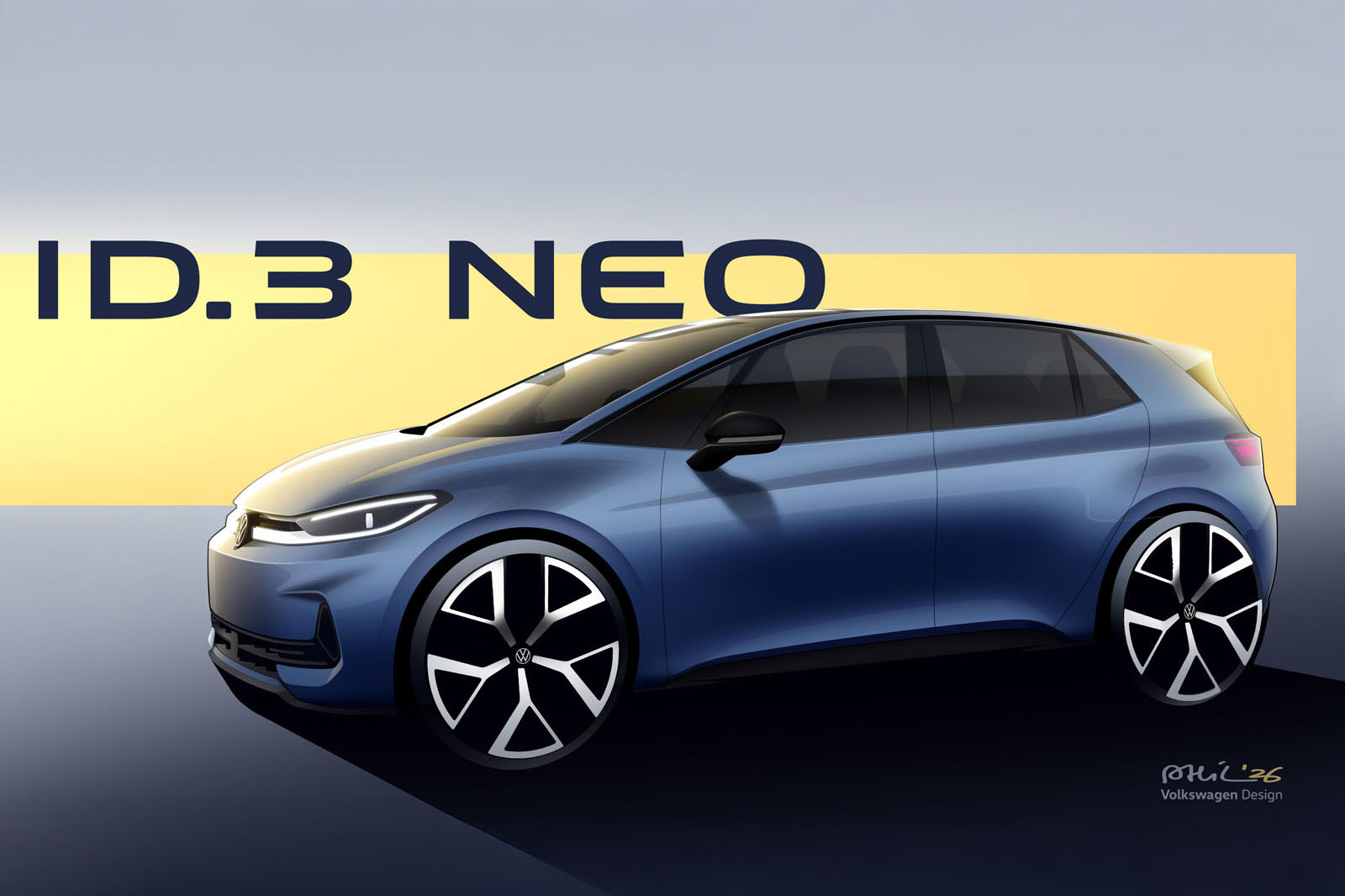
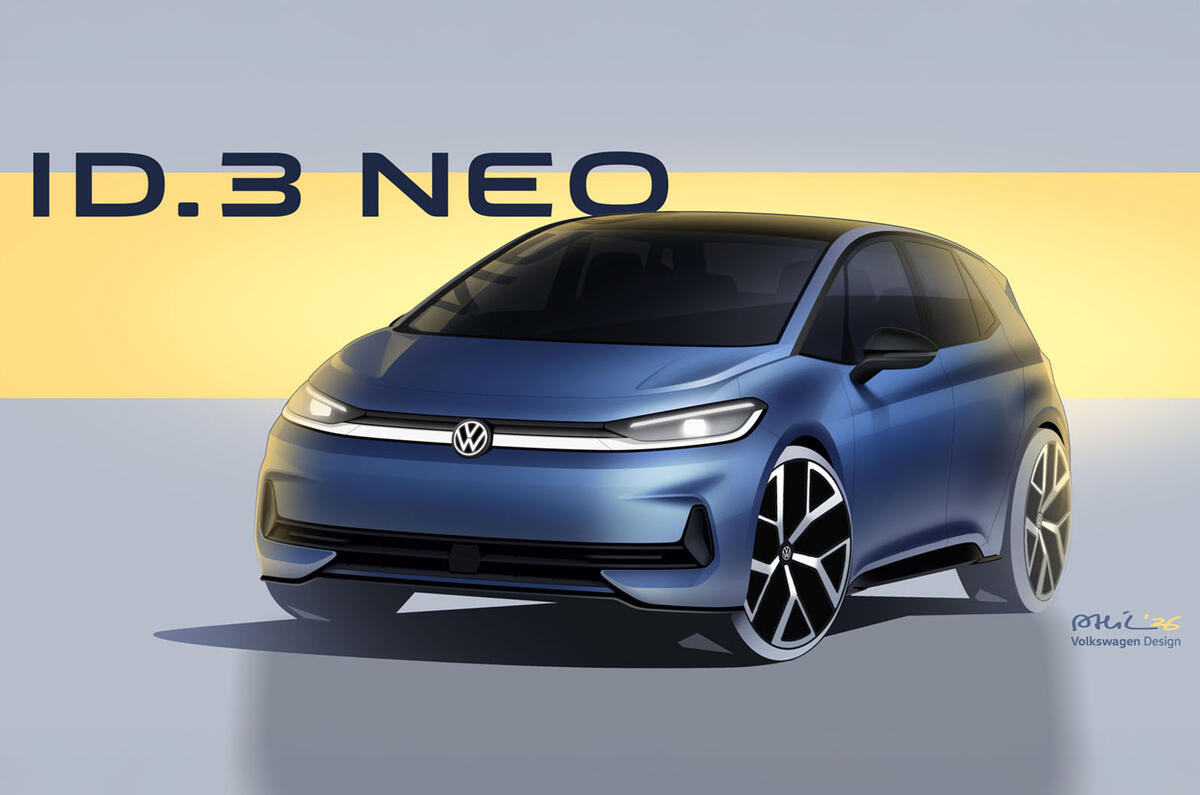
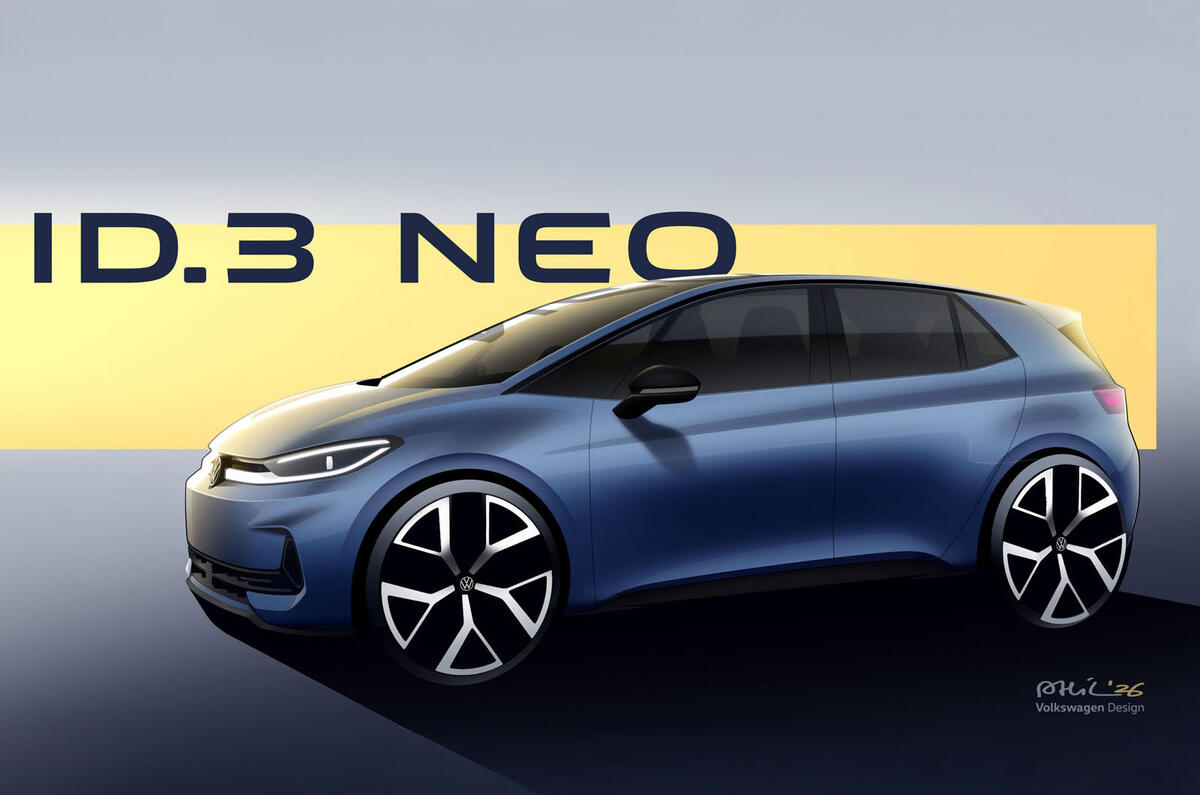
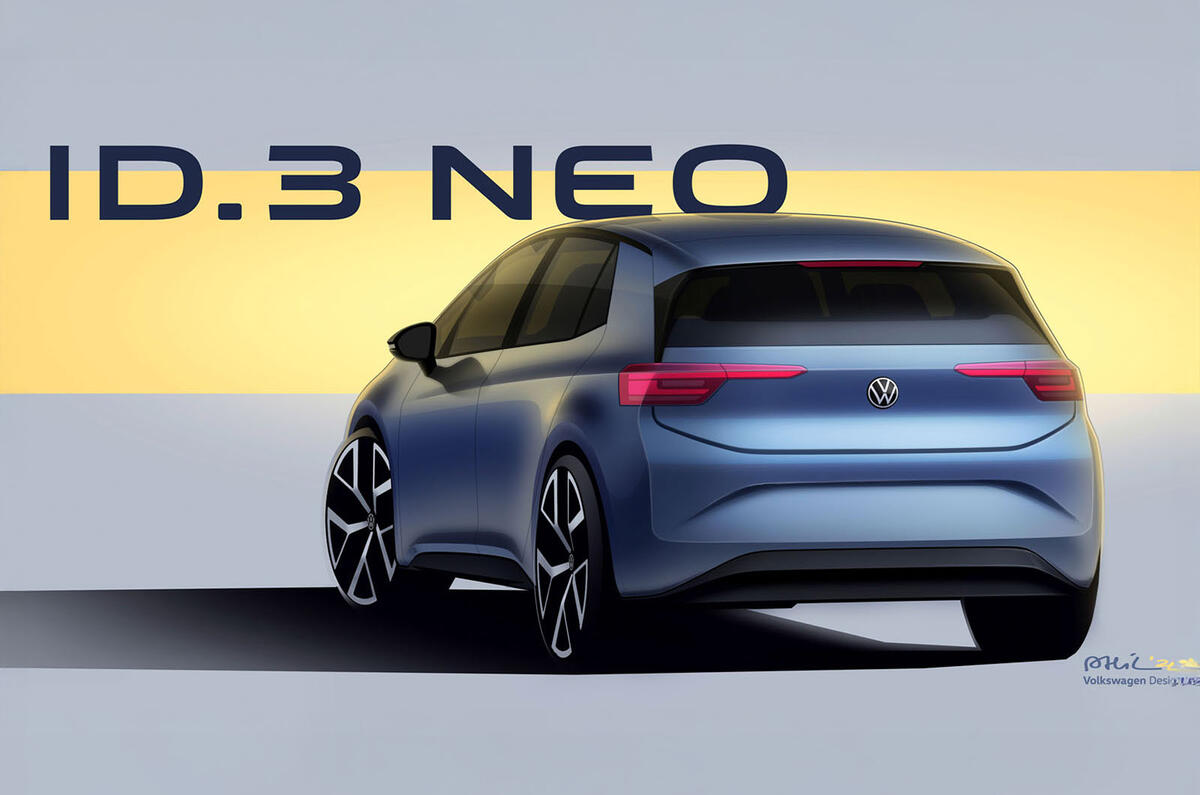
The exterior of the refreshed model is expected to adopt a more sculpted, mature design language. While the iconic, rounded silhouette that defines the current ID.3 will remain, expect sharper LED matrix headlights and a redesigned front bumper that significantly improves aerodynamic efficiency. These modifications are not merely cosmetic; they are precision-engineered to eke out extra miles of range by reducing the vehicle’s drag coefficient, which is critical for long-distance highway efficiency.
Volkswagen is also experimenting with new matte paint finishes and aerodynamic wheel designs to give the car a more youthful and premium appeal. The goal is to make the vehicle stand out in a crowded market, moving away from the somewhat anonymous look of the original ID series design language. Whether you are navigating dense city streets or cruising on the open highway, the new aesthetic promises a more distinctive road presence that signals a leap forward in build quality and design maturity.
A Revamped Interior Experience
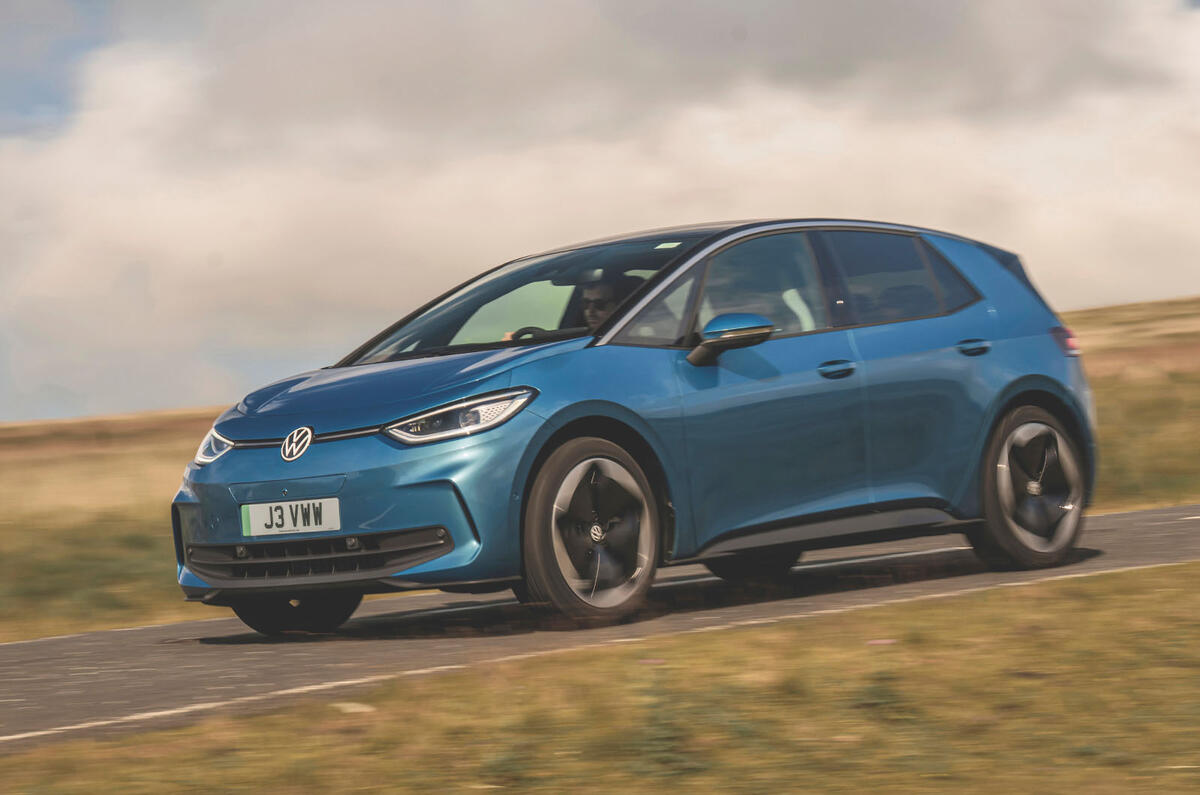

Stepping inside the cabin, you will immediately notice the shift in material quality. One of the most common complaints regarding the early ID.3 production models was the overuse of hard plastics in high-touch areas. Volkswagen has listened to these critiques, promising an upgraded interior featuring softer-touch materials, improved vegan leather options, and recycled sustainable fabrics that align perfectly with the brand’s net-zero manufacturing goals.
The cabin layout remains focused on minimalist ergonomics, but the execution is far more luxurious and tactile. The steering wheel now features physical buttons instead of the previous capacitive touch panels, a direct response to customer feedback requesting a move away from the sometimes finicky haptic touch controls. This change alone will be immensely welcomed by drivers who prioritize ease of use and tactile feedback while keeping their eyes focused on the road. The inclusion of ambient lighting that reacts to vehicle status further elevates the premium cabin atmosphere.
Next-Generation Infotainment
Connectivity is the true heartbeat of the modern EV, and the facelifted model brings a massive boost to its infotainment system. The central touchscreen is now larger, brighter, and powered by a significantly faster processor. This means no more lag when navigating through complex menus or setting up your navigation routes. The system is designed to handle multiple simultaneous tasks without stuttering, providing a user experience that finally rivals the best in the industry.
Furthermore, the over-the-air (OTA) updates are becoming significantly more robust. Volkswagen is promising a more seamless experience for software patches, ensuring that your vehicle feels as modern in five years as it does on the day you take delivery. With enhanced voice recognition software, natural language processing, and improved smartphone integration, the cabin is rapidly evolving into a truly smart, intuitive environment that anticipates the driver’s needs before they even reach for the screen.
Performance and Powertrain Dynamics

Under the skin, the powertrain remains a marvel of electric engineering. The rear-wheel-drive configuration is expected to persist, keeping the car’s agile handling characteristics and tight turning radius intact. We anticipate a notable boost in battery efficiency, allowing for longer ranges without increasing the physical size or weight of the battery packs. This optimization is key to maintaining the vehicle’s dynamic balance.
The electric motor performance will also see a slight bump in responsiveness, providing that instant torque that makes city driving so enjoyable and safe when merging into traffic. For those who crave more, a performance-oriented trim is likely to remain in the lineup, offering a sportier suspension setup and dynamic chassis control for a more engaging driving experience on winding roads. The integration of improved thermal management systems ensures that performance remains consistent even during spirited driving sessions or cold-weather commutes.
In summary, this rebrand is a calculated move to secure Volkswagen’s place in the competitive EV segment. By leaning into its heritage while embracing sustainable technology, the company is betting that familiarity and emotional branding will win over a new generation of buyers who have grown tired of the ‘tech-bro’ minimalism currently dominating the electric market. The transition from a number to a name is symbolic of a transition from experimentation to mass-market mastery.
Vehicle Specifications
- Powertrain: Single permanent-magnet synchronous electric motor
- Output: 150kW to 210kW depending on trim
- Torque: 310Nm to 545Nm instantaneous
- Drivetrain: Rear-Wheel Drive (RWD)
- Transmission: Single-speed automatic with integrated differential
- Battery Capacity: 58kWh to 77kWh usable configurations
- Estimated Range: 420km to 550km (WLTP standard)
- Curb Weight: Approximately 1,800kg to 1,950kg
- Acceleration: 0-100 km/h in 6.0 to 7.5 seconds
- Top Speed: Electronically limited to 160 km/h
- Dimensions: 4,261mm (L) x 1,809mm (W) x 1,568mm (H)
- Wheelbase: 2,770mm
Key Keywords
- Volkswagen ID.3 update
- VW electric hatchback
- new VW electric car
- EV facelift 2024
- Volkswagen electric vehicle news
* Source: Autocar